Halloween, Locally Observed
Eleven cities where the end of October is a real local custom rather than an imported one — a fire festival on Calton Hill, a cemetery vigil that runs all night, and ossuaries in Naples, Palermo and Paris you can walk through any week of the year.
Halloween travels badly. Exported, it arrives as costumes and a pub night, which is fine but is available at home. What is not available at home is a city where the first days of November are still a family obligation, or where the dead were never moved far enough out of town to be forgotten about. These are destinations rather than venues, picked on that basis.
The strongest version is southern Italian, and it is a year-round thing rather than one night. Naples keeps the Cimitero delle Fontanelle, a quarry in the Sanità holding the remains of something like 40,000 people — mostly the 1656 plague and the 1836 cholera. From the late nineteenth century local women began adopting individual skulls, a capuzzella each, cleaning them and keeping them in small glazed cases with rosaries and candles, in exchange for intercession. It is open daily except Wednesdays, costs €6–8, and has to be booked. Palermo's Catacombe dei Cappuccini is the other side of the same instinct: up to 8,000 bodies, dressed and upright, sorted by sex and profession, with two-year-old Rosalia Lombardo in a glass case near the end, dead since 1920 and still recognisably a child. Sicily then does the observance properly on 2 November — a cannistru basket of marzipan fruit, sugar puppets and bone-shaped biscuits left for children overnight, and the morning question "Chi ti purtaru i morti?" — what did the dead bring you.
Mexico is the obvious entry and worth separating into two. Oaxaca is the quieter and better one: the vigil at the cemeteries in Santa Cruz Xoxocotlán starts in the afternoon of 31 October and runs through the night, families sitting at cleaned and marigolded graves by candle, with comparsas — street parades in costume — carrying on for a week afterwards. Mexico City does scale instead: ofrendas, monumental alebrijes on Reforma, and a parade down to the Zócalo. One oddity for 2026 — the city also staged a Day of the Dead parade in June, pulled forward for the World Cup, so the November one is the second of the year.
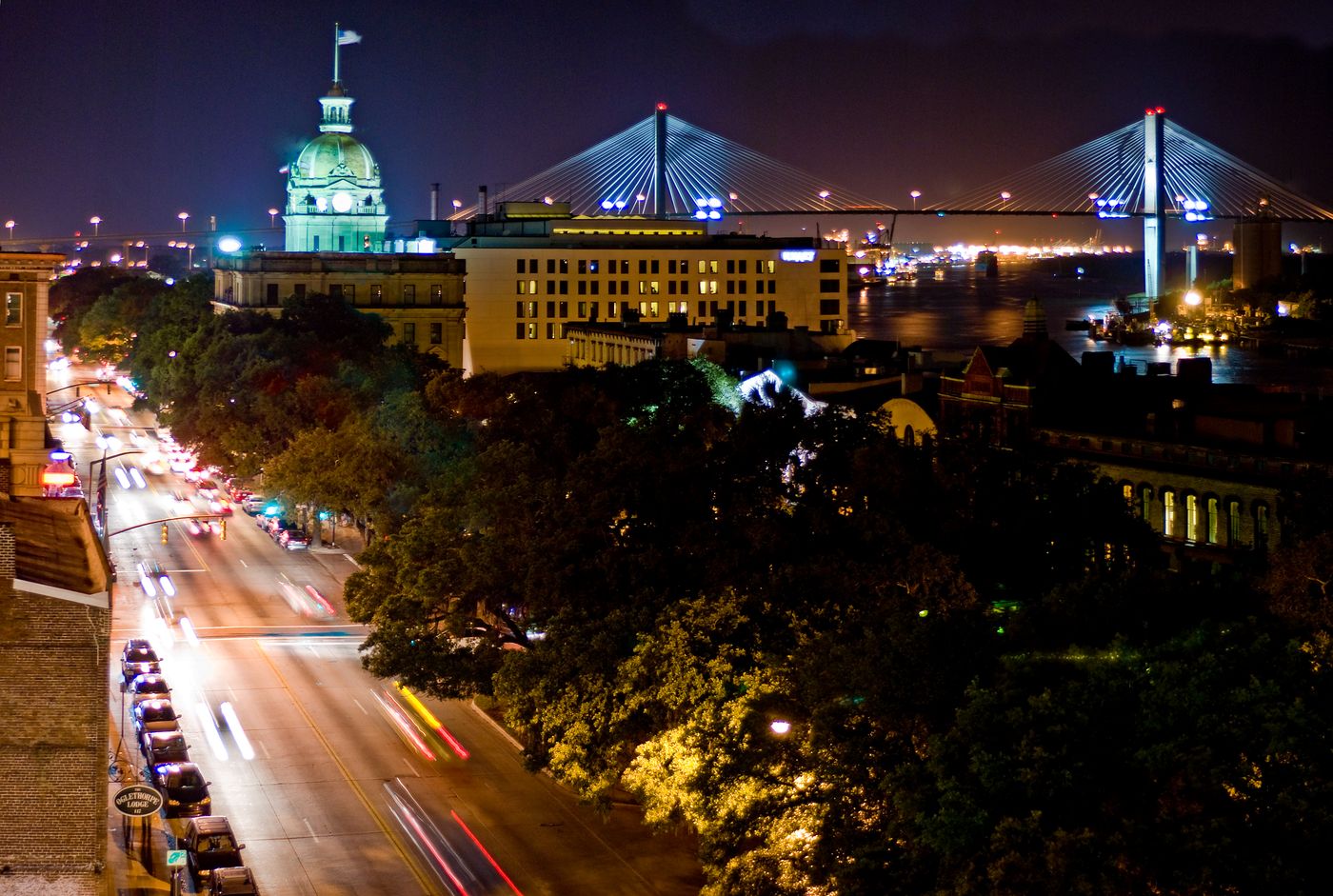
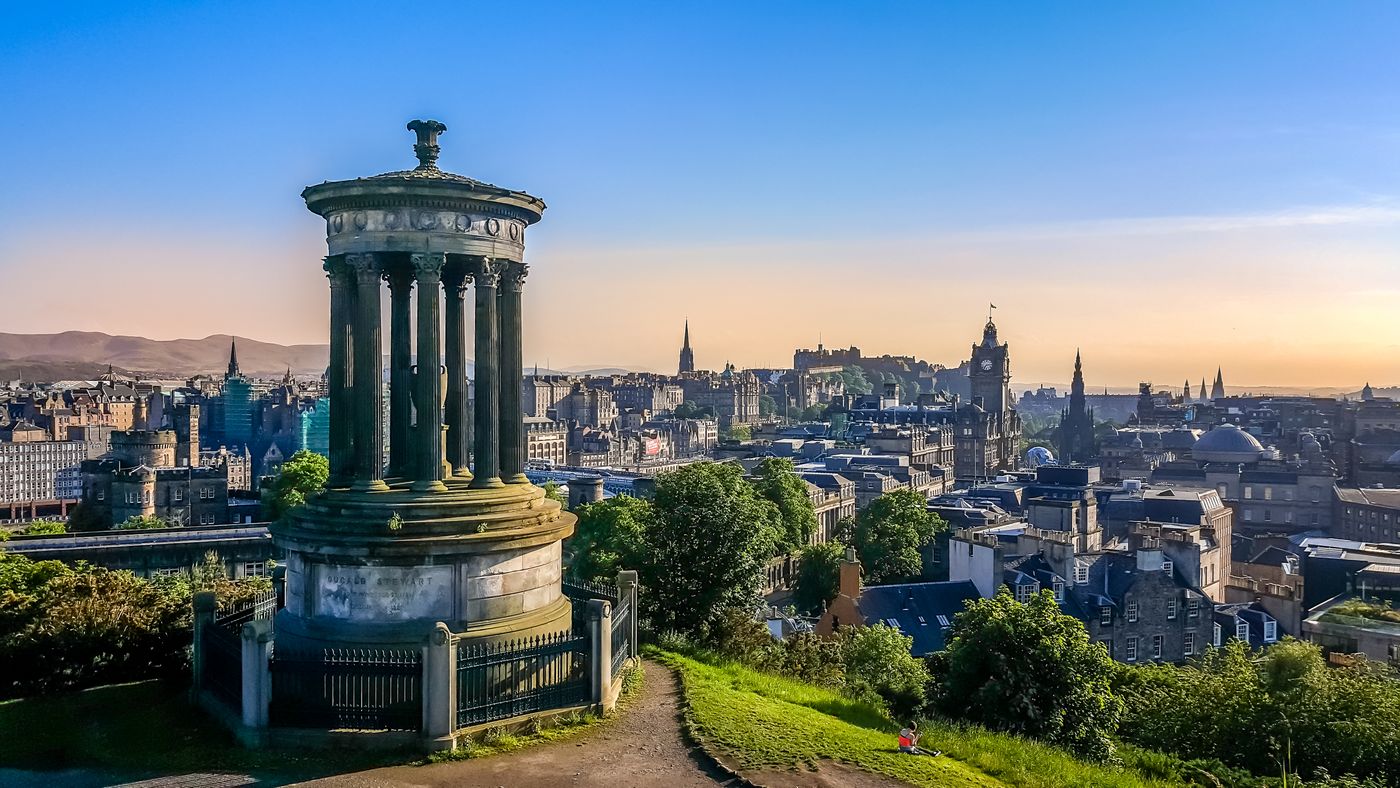
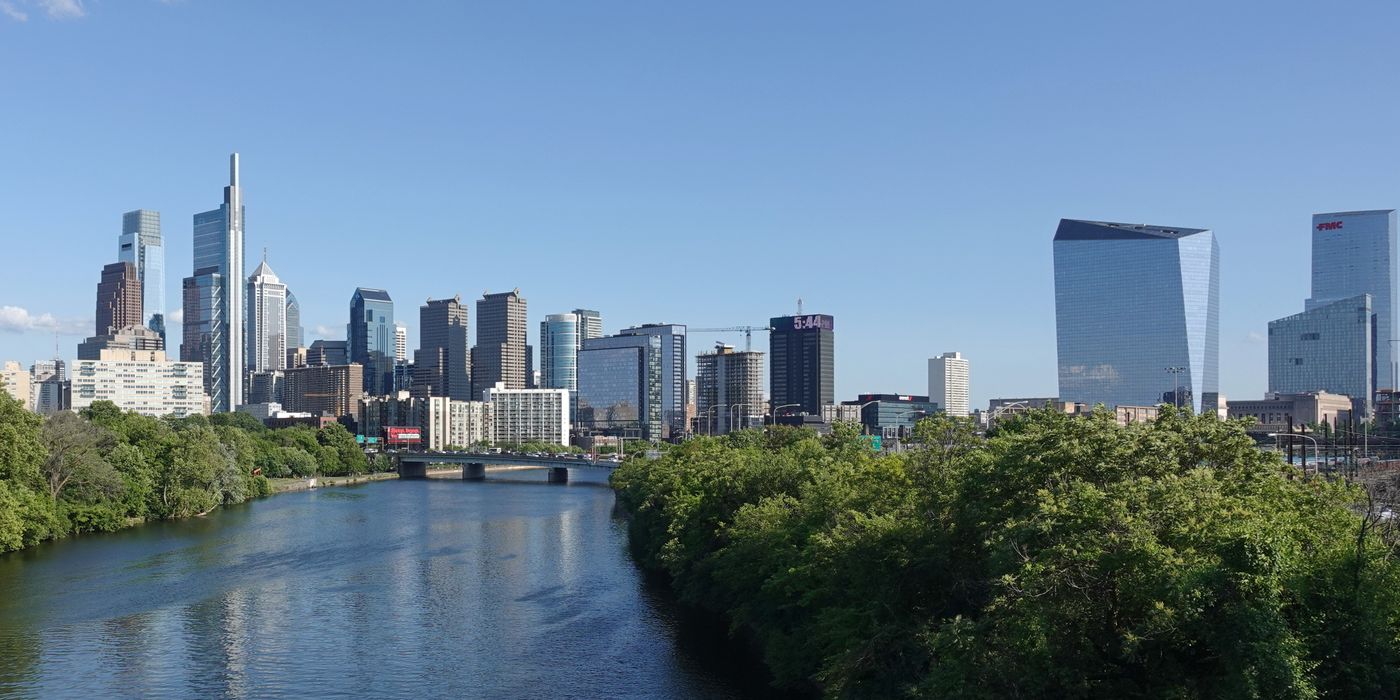
The Anglophone four each do one specific thing well. Edinburgh's Samhuinn Fire Festival is the pick: Beltane Fire Society's drummers, acrobats and fire performers staging the fight between Summer and Winter on Calton Hill on 31 October, gates at 6.30pm, ticketed and it sells out. Philadelphia's is the strangest — Eastern State Penitentiary, a genuinely abandoned 1829 prison, runs Halloween Nights from early October into the first week of November, now in its 35th year, with five haunted houses and bars inside the cellblocks. New York is pure spectacle: the Village Halloween Parade up Sixth Avenue from Canal to 15th on the night itself, anyone in costume allowed to join, which is the part most spectators don't realise. Savannah is the daylight one, and needs no event at all — Colonial Park Cemetery took burials from 1750 to 1853 and holds roughly 10,000 of them under about 600 surviving headstones, including a mass grave of some 700 dead from the 1820 yellow fever epidemic. The city simply grew around it.
Two of the eleven don't fit that brief at all, and are here for a different reason. Neither the Catacombs of Paris nor Highgate Cemetery is an observance, and neither has anything to do with 31 October. They are the same nineteenth-century problem — graveyards full past the point of public safety — solved in opposite directions.
Paris went down. From 1786 the city emptied its overflowing churchyards into disused limestone quarries, and the remains of more than six million people now line a kilometre and a half of tunnel, 131 steps below Place Denfert-Rochereau. Entry is timed and has to be booked; there is no walking up. London went out, ringing the city with seven large private cemeteries — the Magnificent Seven — of which Highgate opened in 1839. Around 170,000 people are buried on its hillside, and the architecture was frankly a sales pitch: the Egyptian Avenue, eight family vaults either side with room for twelve coffins each behind cast-iron doors, and the Circle of Lebanon, twenty vaults sunk fifteen feet into the hill around a cedar already a century old when the ground was laid out. Both the east and west sides can now be walked at your own pace — worth knowing, because most guides still say the west side is guided-tour-only, and that requirement has been dropped.
Highgate's strangest night was not a Halloween. In 1970, after months of newspaper rumour about a "Highgate Vampire", hundreds of people came down Swains Lane on a Friday the 13th carrying homemade stakes and crosses, and the police had to turn them back.
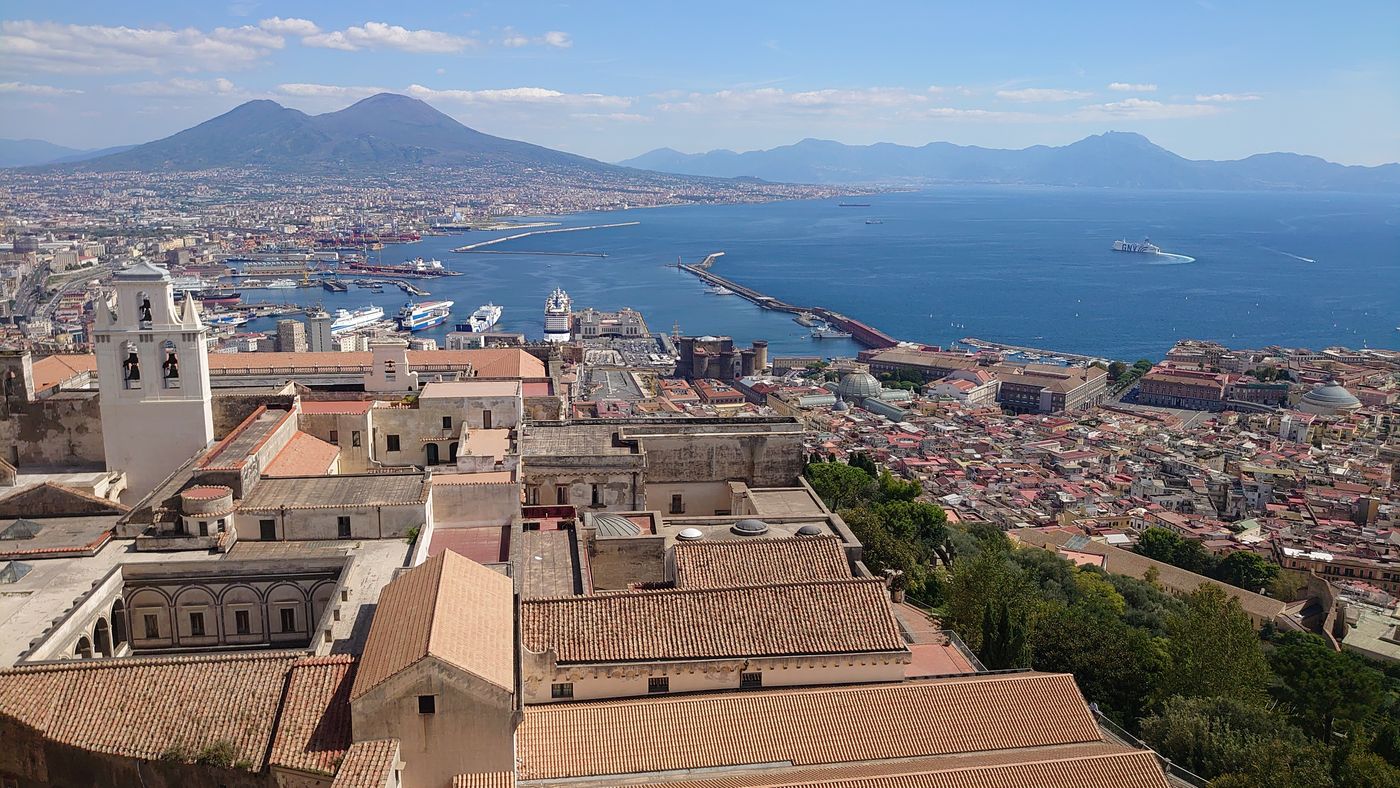
Naples
Loud, chaotic, and the reason pizza exists — better eaten standing up than at a table with a view.
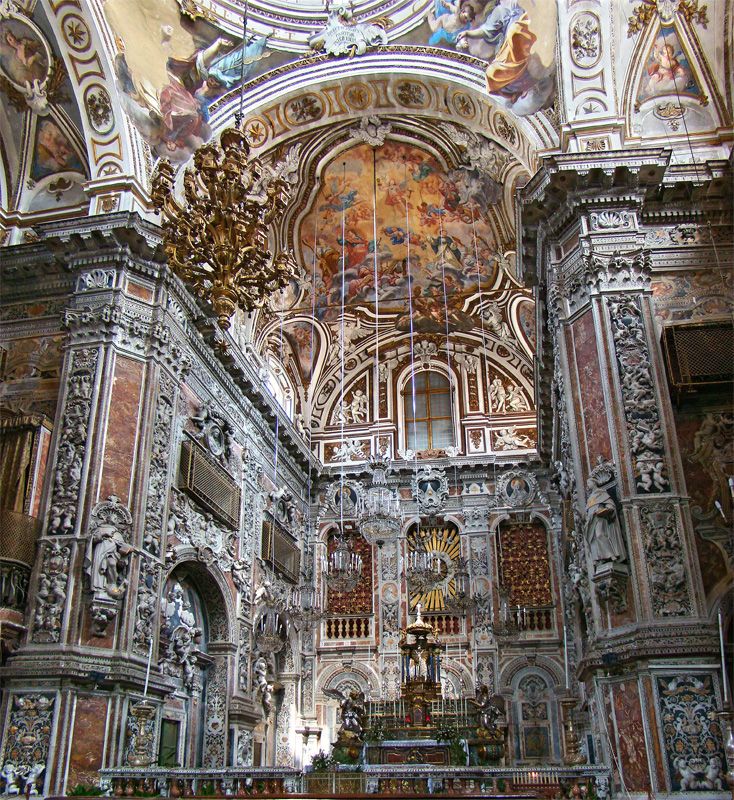
Palermo
A port city that never tidied itself up for visitors, with the best fried food in the Mediterranean sold from hatches.
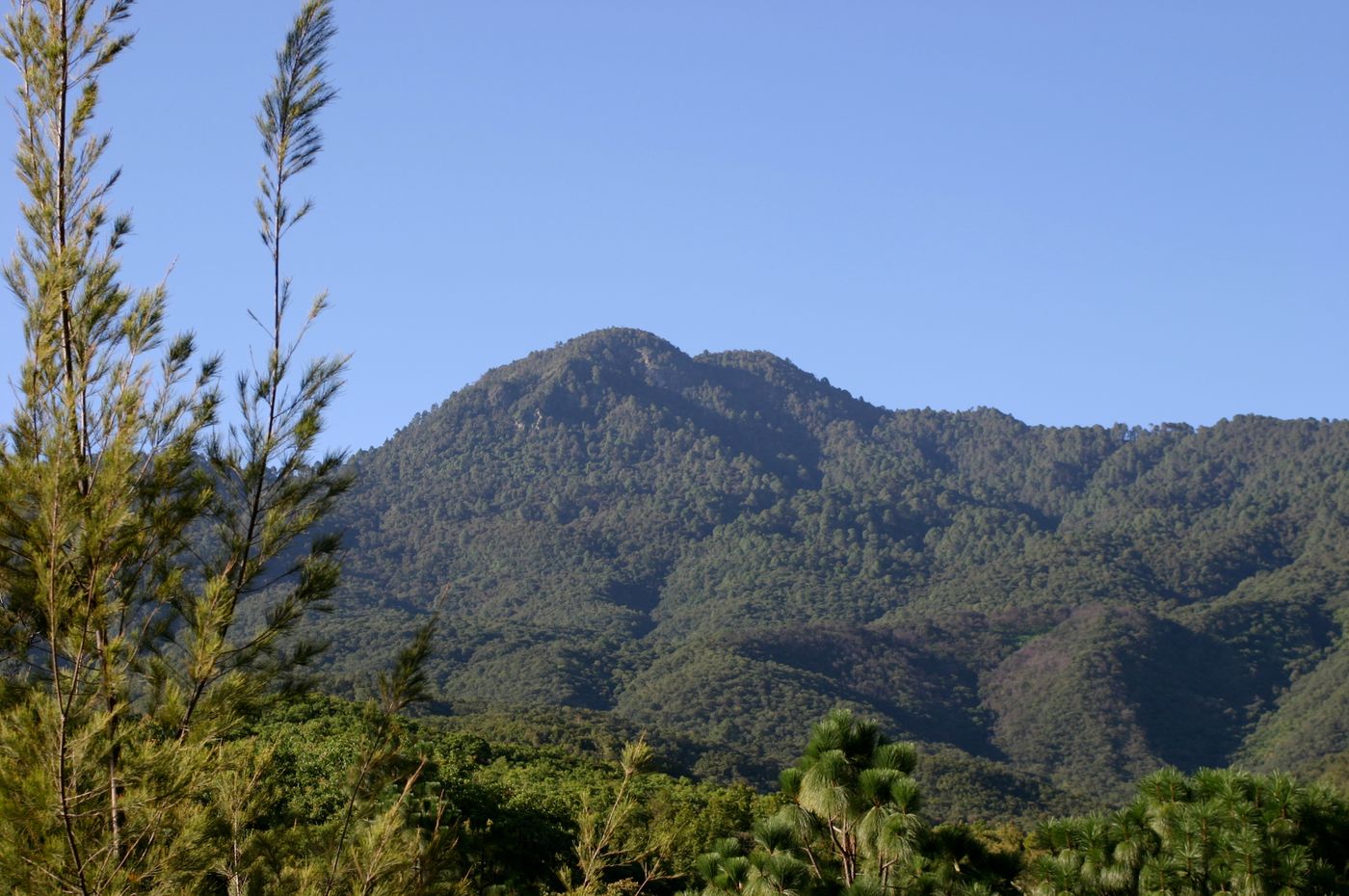
Oaxaca
Seven moles, a market that smells of chocolate and chillies, and mezcal from people who will show you the still.
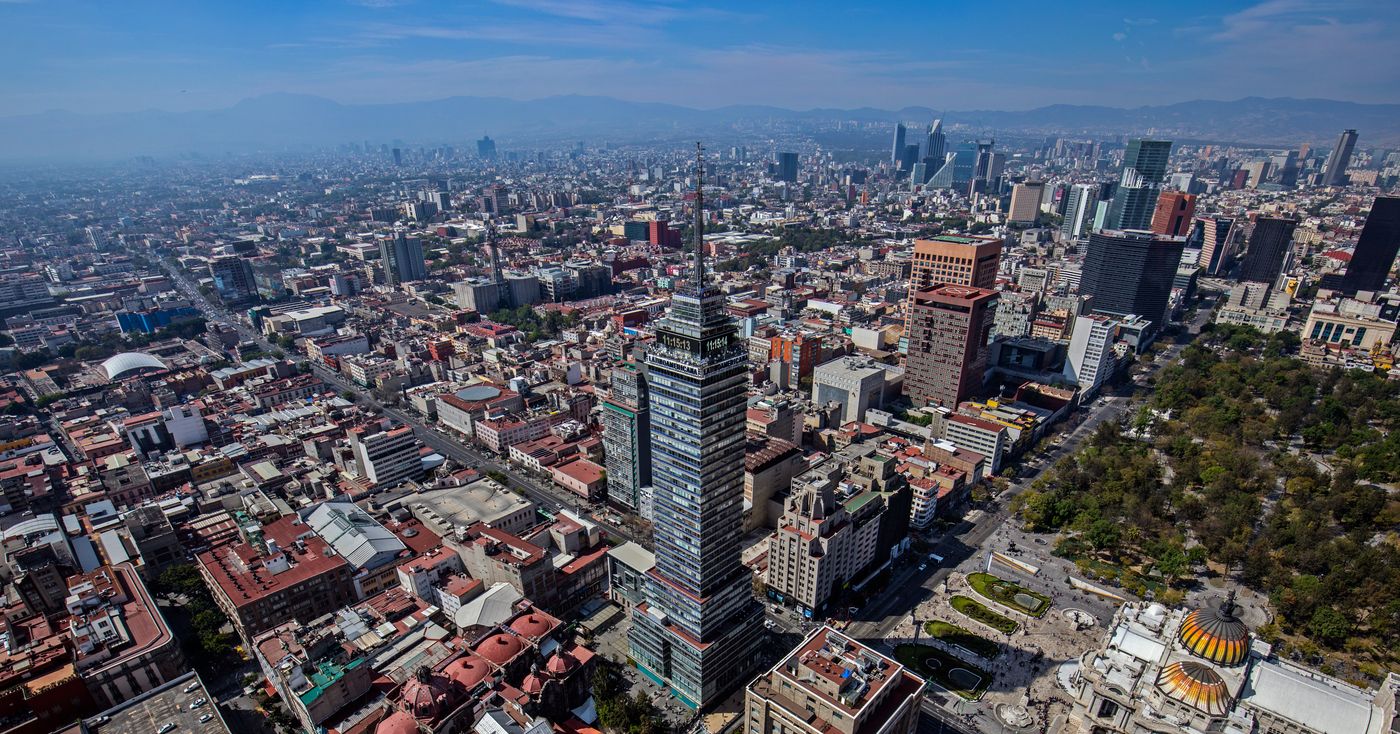
Mexico City
Too large to see in one trip, so most people pick a neighborhood and live in it for a few days.
New Orleans
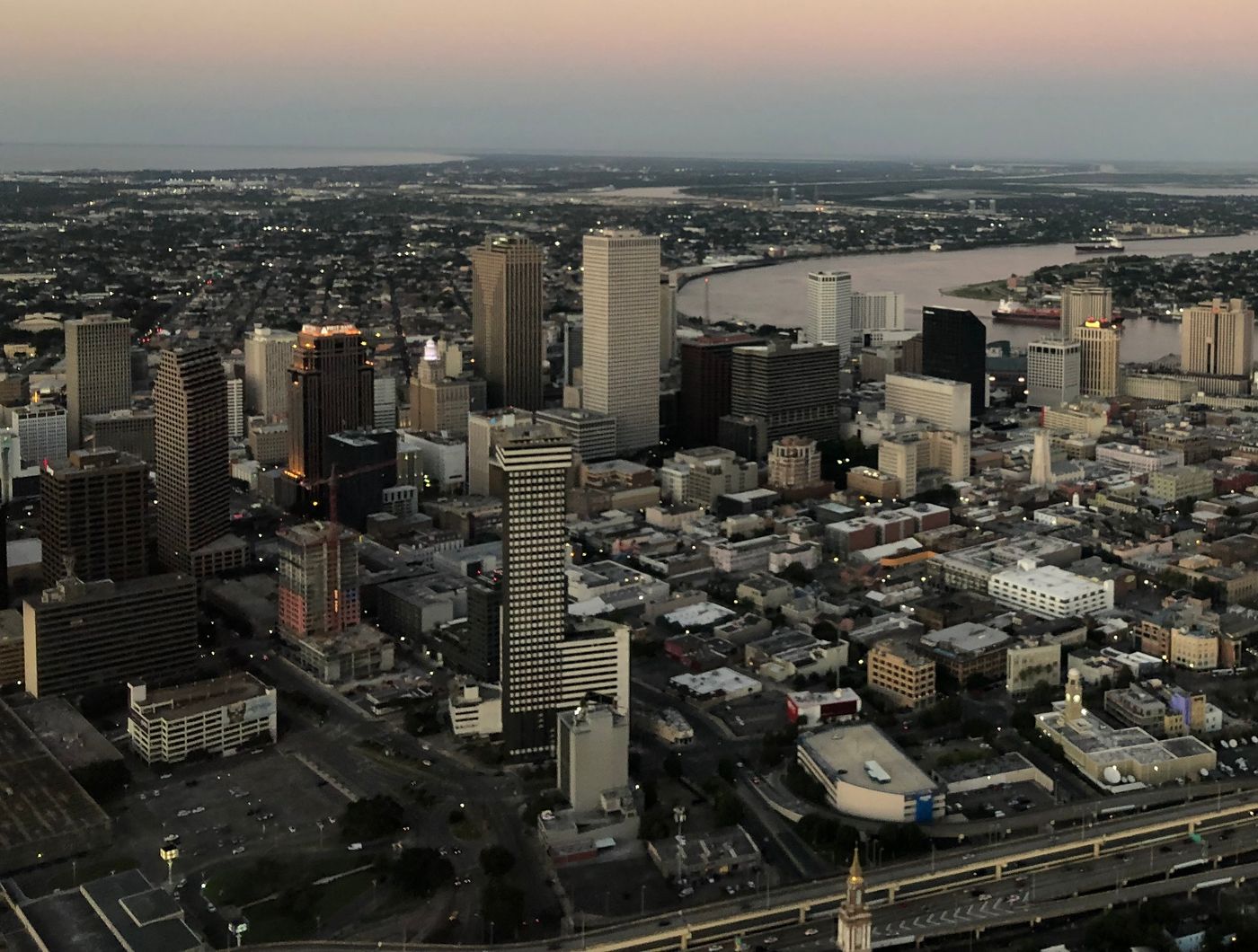
The neighborhoods off Bourbon Street still cook for the people who live there, not for the crowds walking through.
Savannah
The historic district's shaded squares hide guesthouses and courtyards that predate the tour trolleys by a century.
Edinburgh
The New Town's grandest interiors were built as showrooms, not bars — this one only became a bar by accident of geography.
Philadelphia
Row-house taverns a couple of blocks off the landmark circuit have been pouring for the same neighborhood since the 1800s.
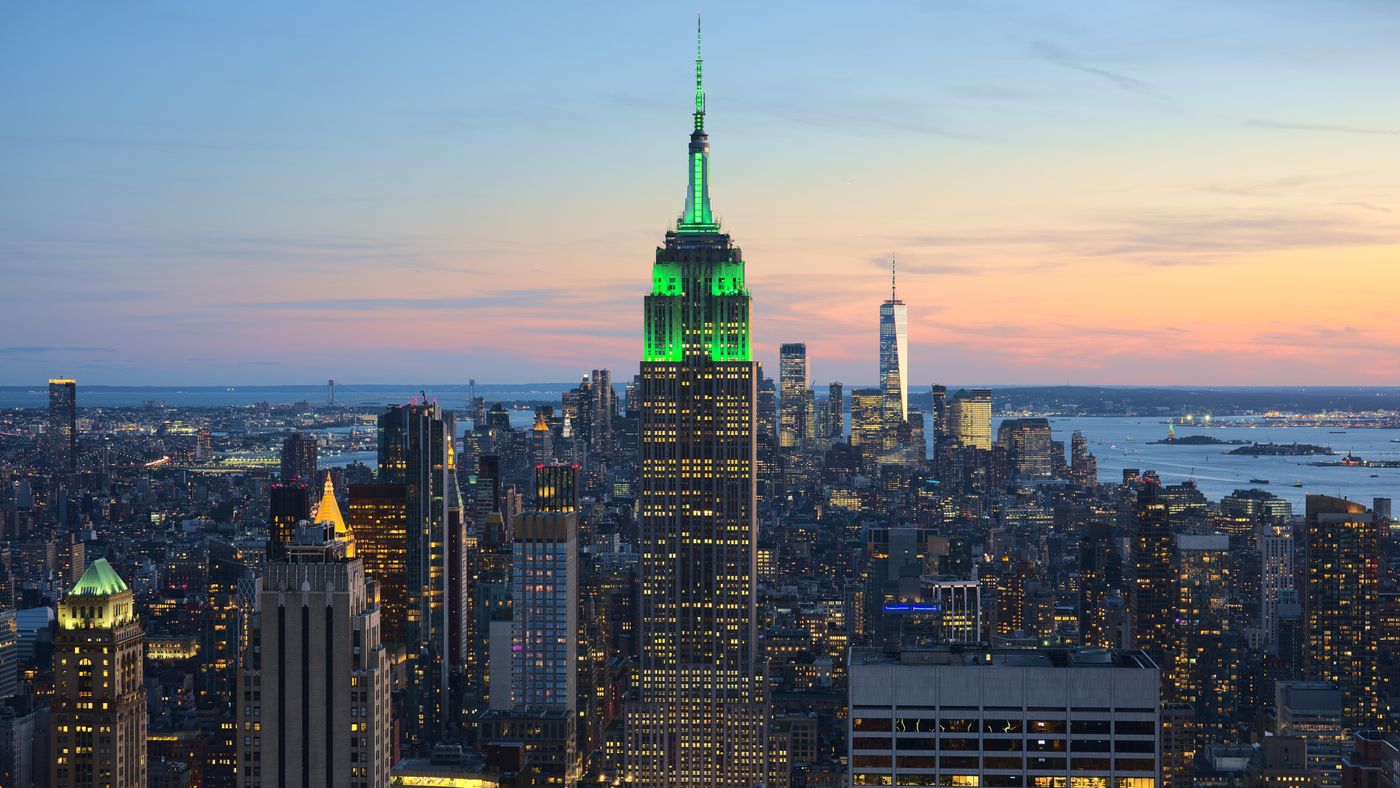
New York City
The institutions outlast the trends, and most of them are older than anyone eating there.
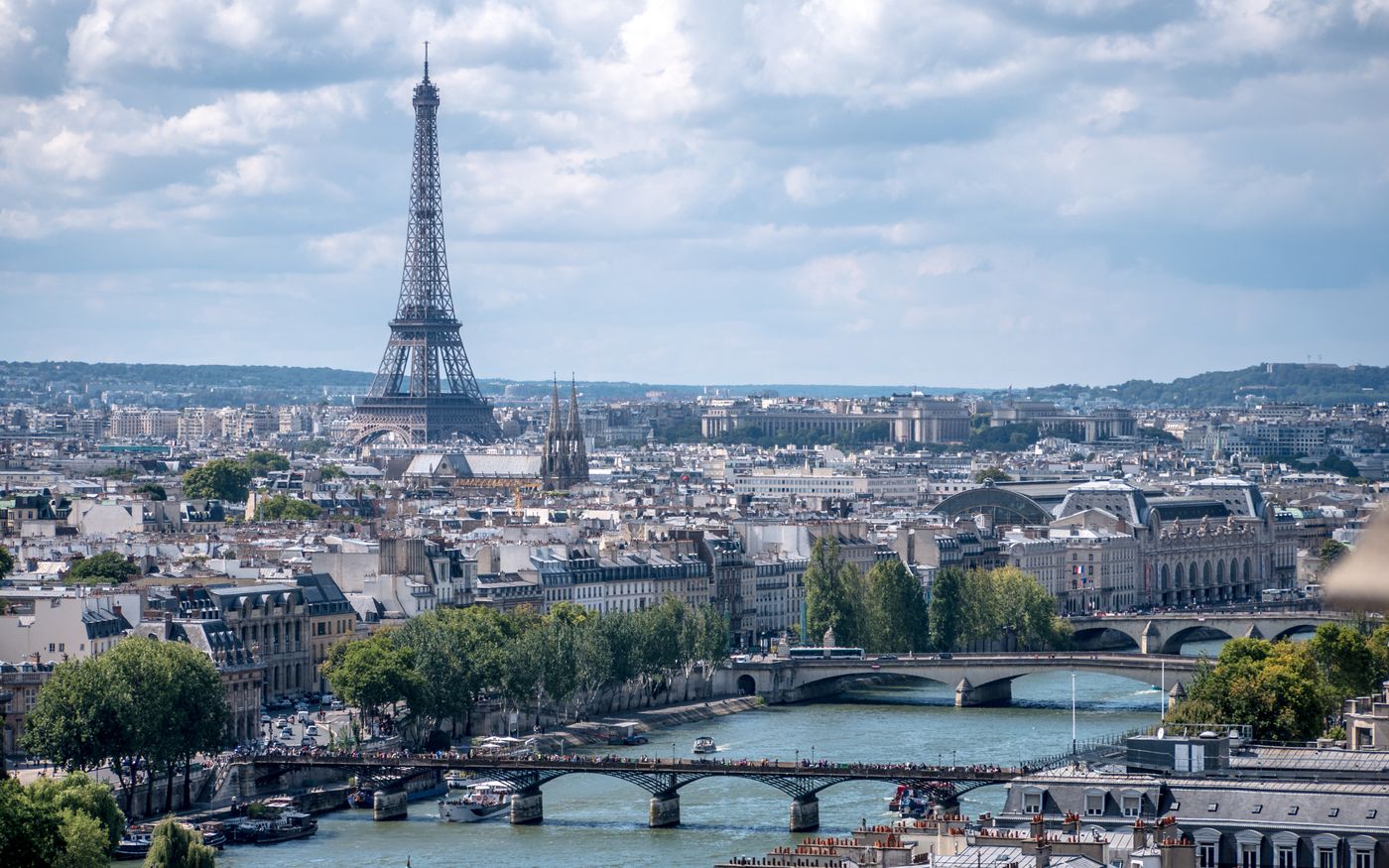
Paris
The tourist-menu brasseries are a five-minute walk from the ones locals still argue over.
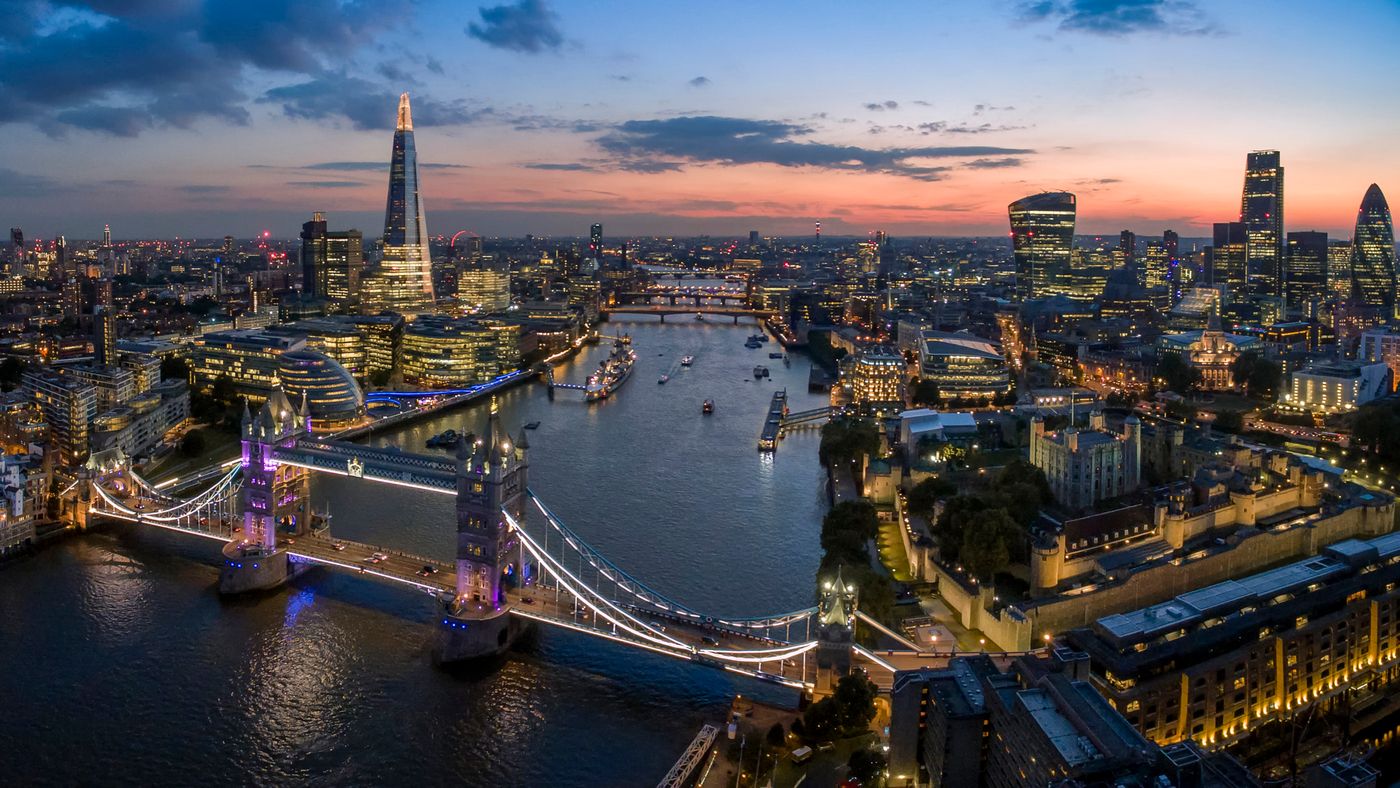
London
A capital where the oldest wine bar in the city is also one of the easiest to walk straight past.