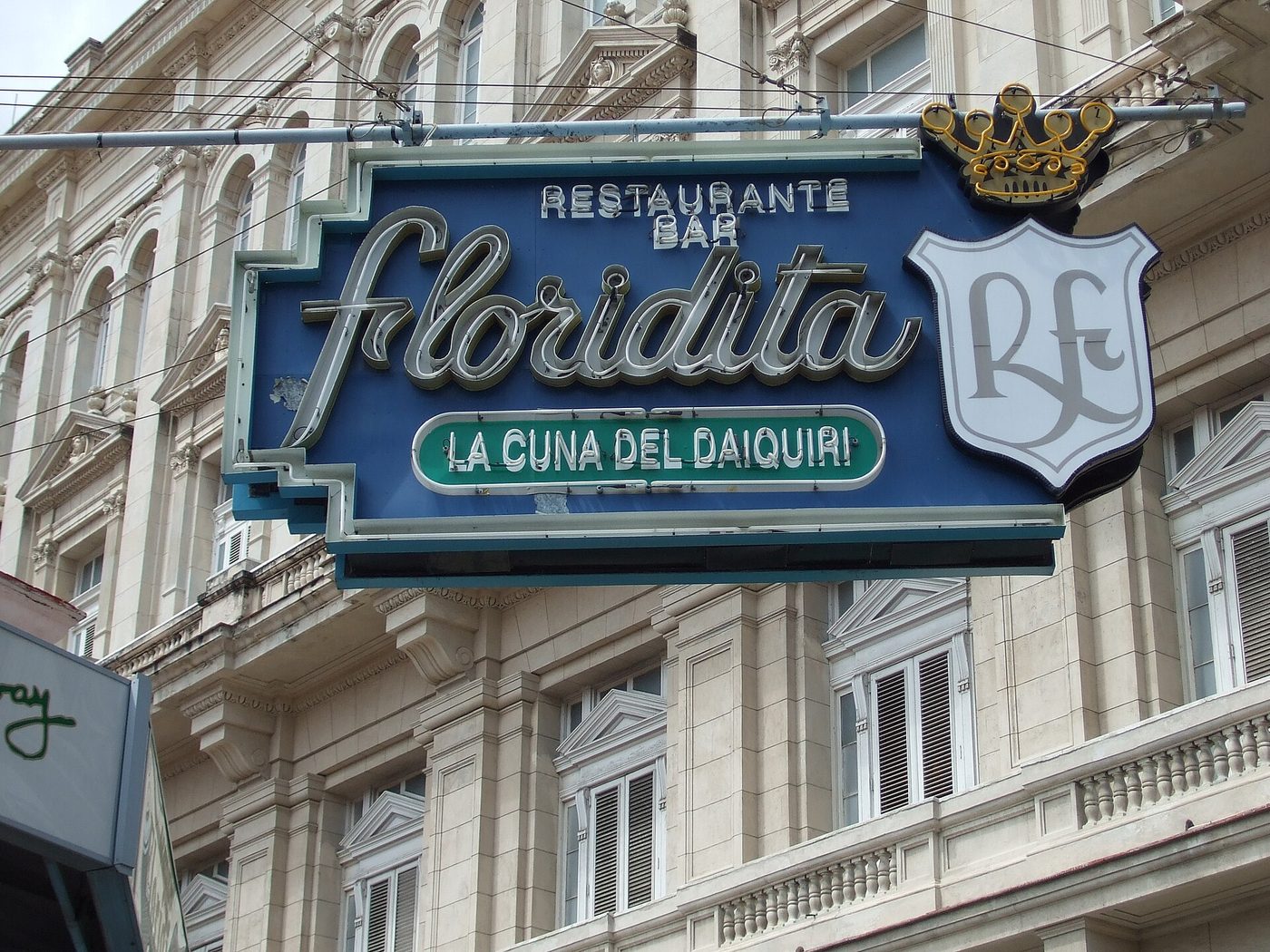
 El Floridita's sign: "La cuna del daiquiri"
El Floridita
- Best time
- Early afternoon, before it fills
- Getting there
- At the top of Calle Obispo, across from the National Museum of Fine Arts
Why it’s in the log
El Floridita opened in 1817 as La Piña de Plata, the Silver Pineapple, on the same corner of Obispo and Monserrate it occupies now. In 1914 a Catalan immigrant, Constantino Ribalaigua Vert, started behind the bar, and in the early 1930s he is credited with inventing the frozen daiquiri. The bar's motto is "la cuna del daiquiri", the cradle of the daiquiri.
The cradle is a matter of wording. The daiquiri itself is generally credited to Jennings Cox, an American mining engineer near Santiago de Cuba around 1898 — Daiquirí is a beach and an iron mine there. What Floridita can claim is the version most people now drink.
Ernest Hemingway drank here when he kept a room at the Hotel Ambos Mundos, a short walk down Obispo, and a life-size bronze of him by José Villa Soberón has stood at the end of the bar since 2003. It is state-run and firmly on the tourist route; go for one drink and the room.
Also logged in Havana
All of Havana →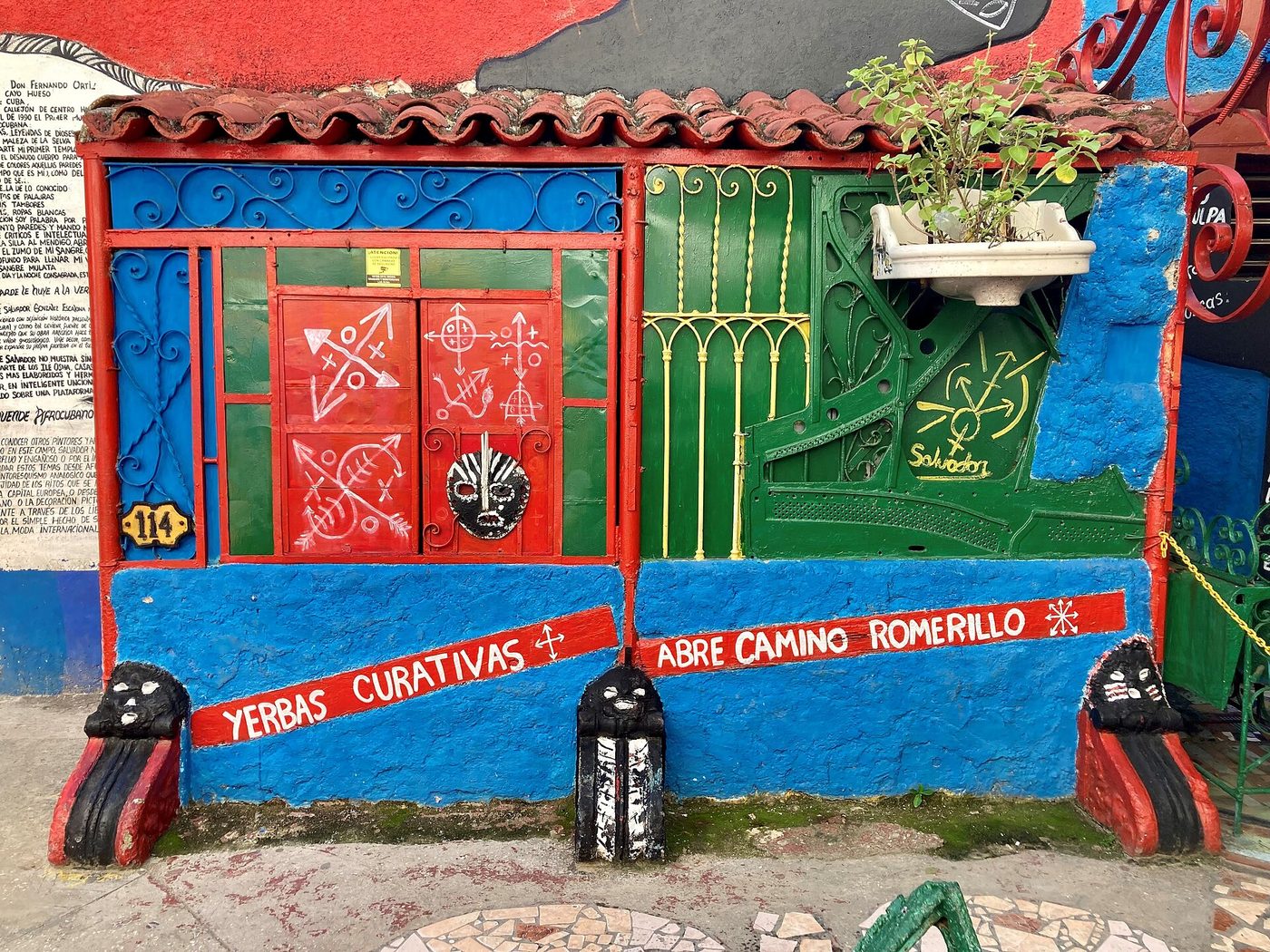
Callejón de Hamel
Havana, CubaAn alley of Afro-Cuban murals and scrap-metal sculpture in Cayo Hueso, with live rumba every Sunday from noon.
Clandestina
Havana, CubaCuba's first independent design shop, selling screen-printed shirts, bags and posters on a corner of Old Havana since 2015.
Coppelia
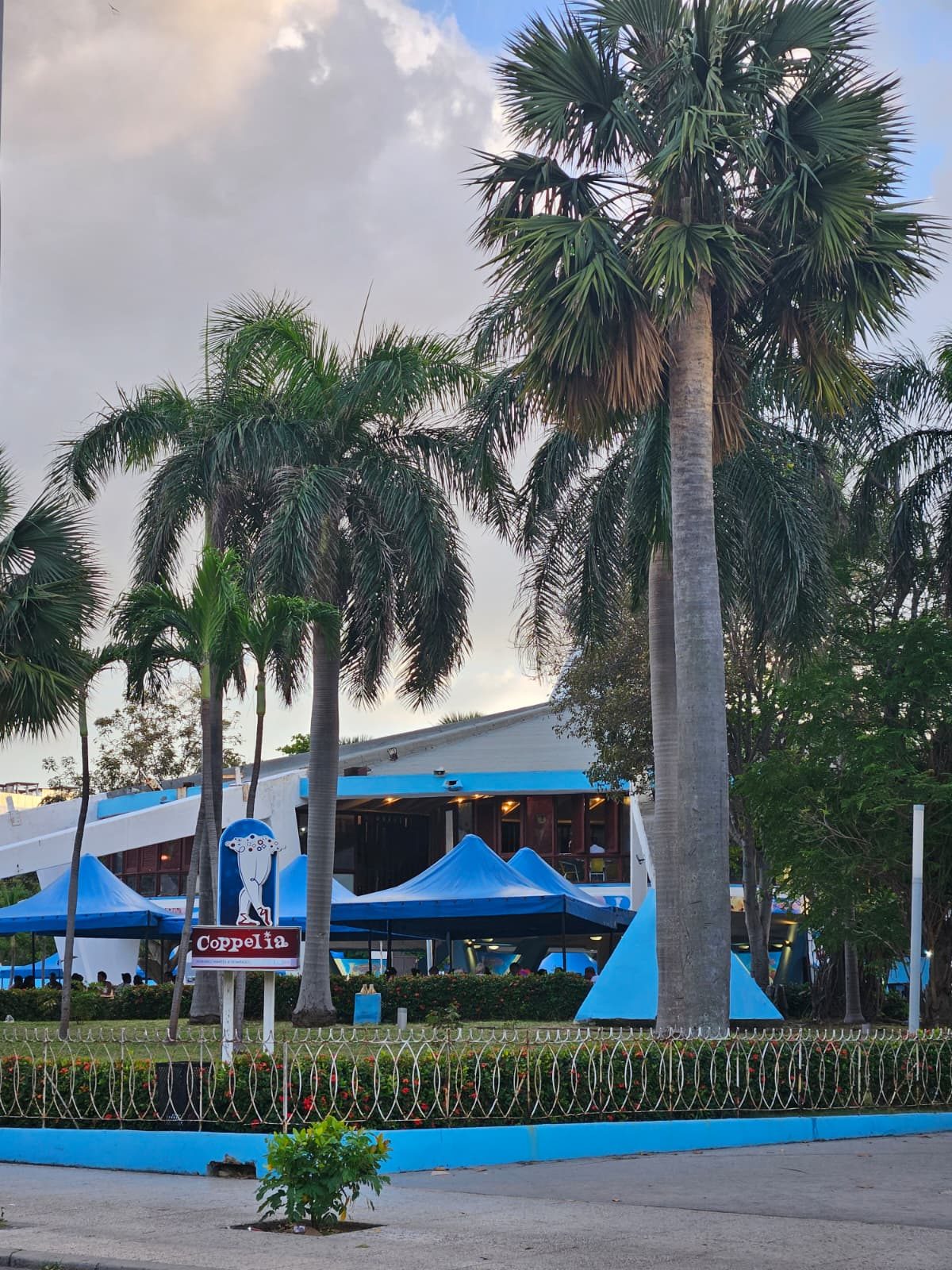
Havana, CubaHavana's 'Cathedral of Ice Cream': a 1966 park pavilion that sells in pesos, offers one or two flavours, and shuts when supplies run out.
Mentioned alongside
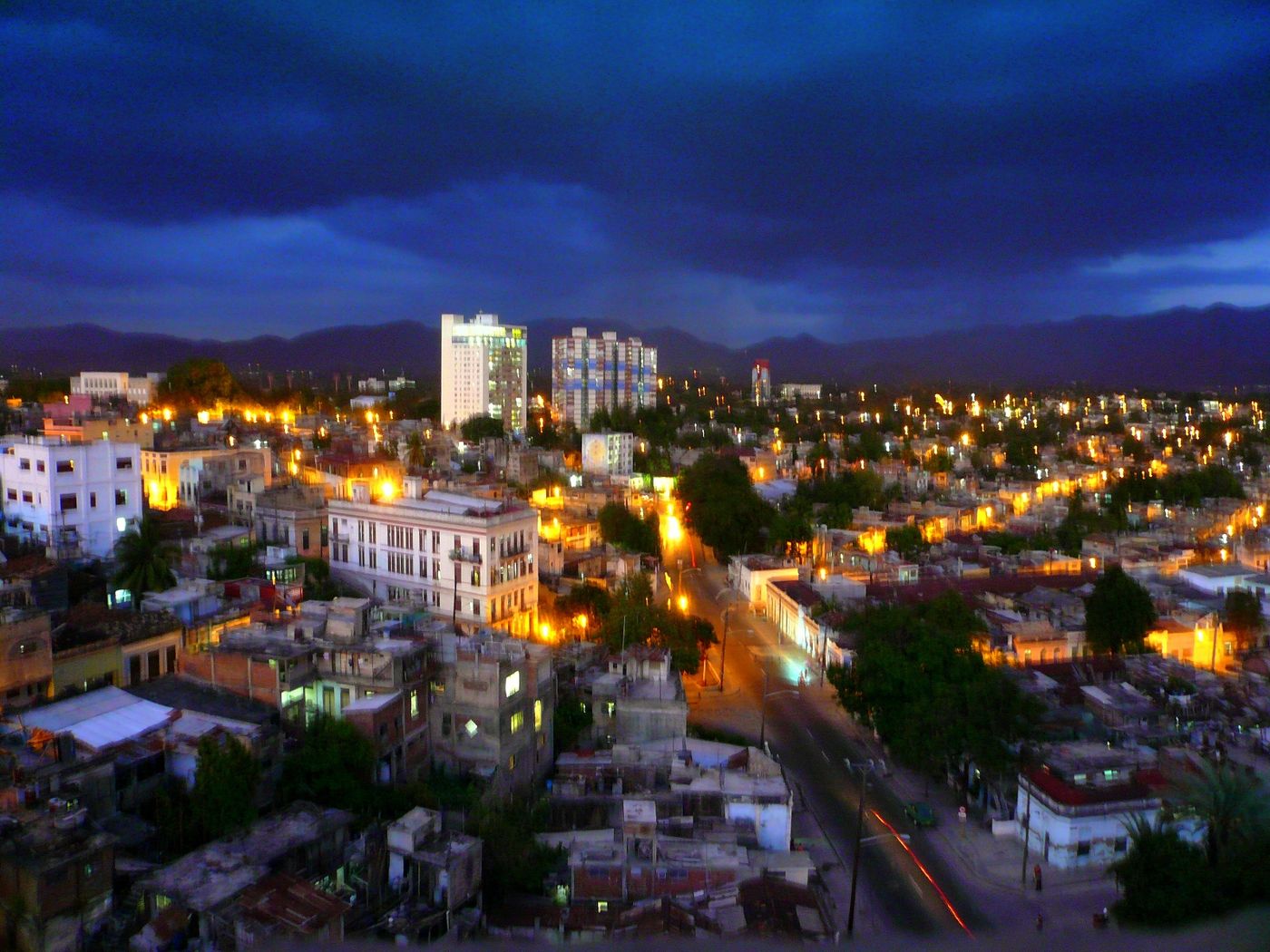
Santiago de Cuba
Cuba's second city, hot, hilly and closer to the Caribbean than to Havana — and the home of trova.
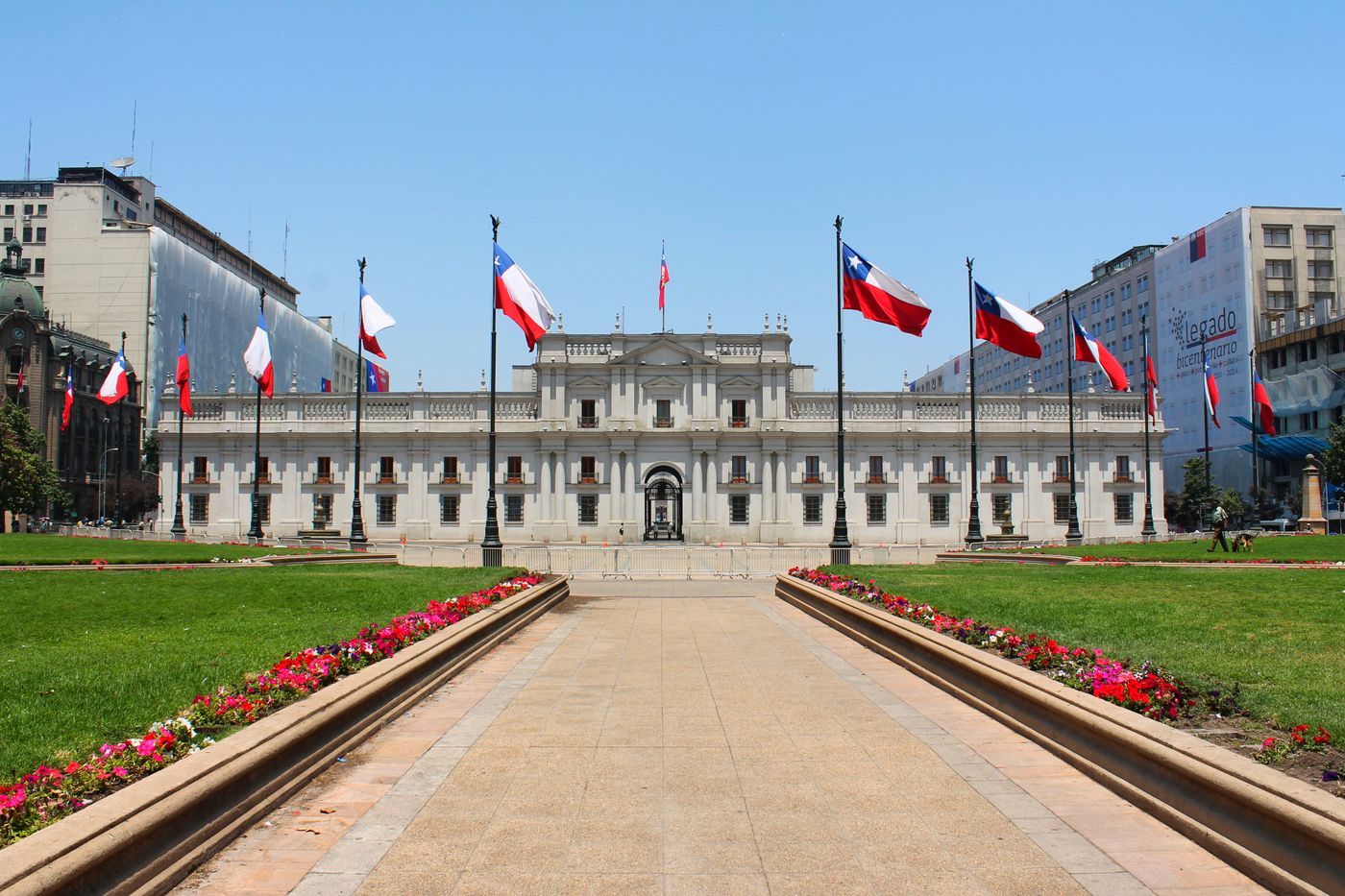
Santiago
The capital's grid between the Andes and the coastal range, where century-old bars in Barrio Yungay sit a world from Providencia's towers.
Cuba
Private kitchens in old mansions, rumba in a painted alley, and a country that rewards checking everything the day before.
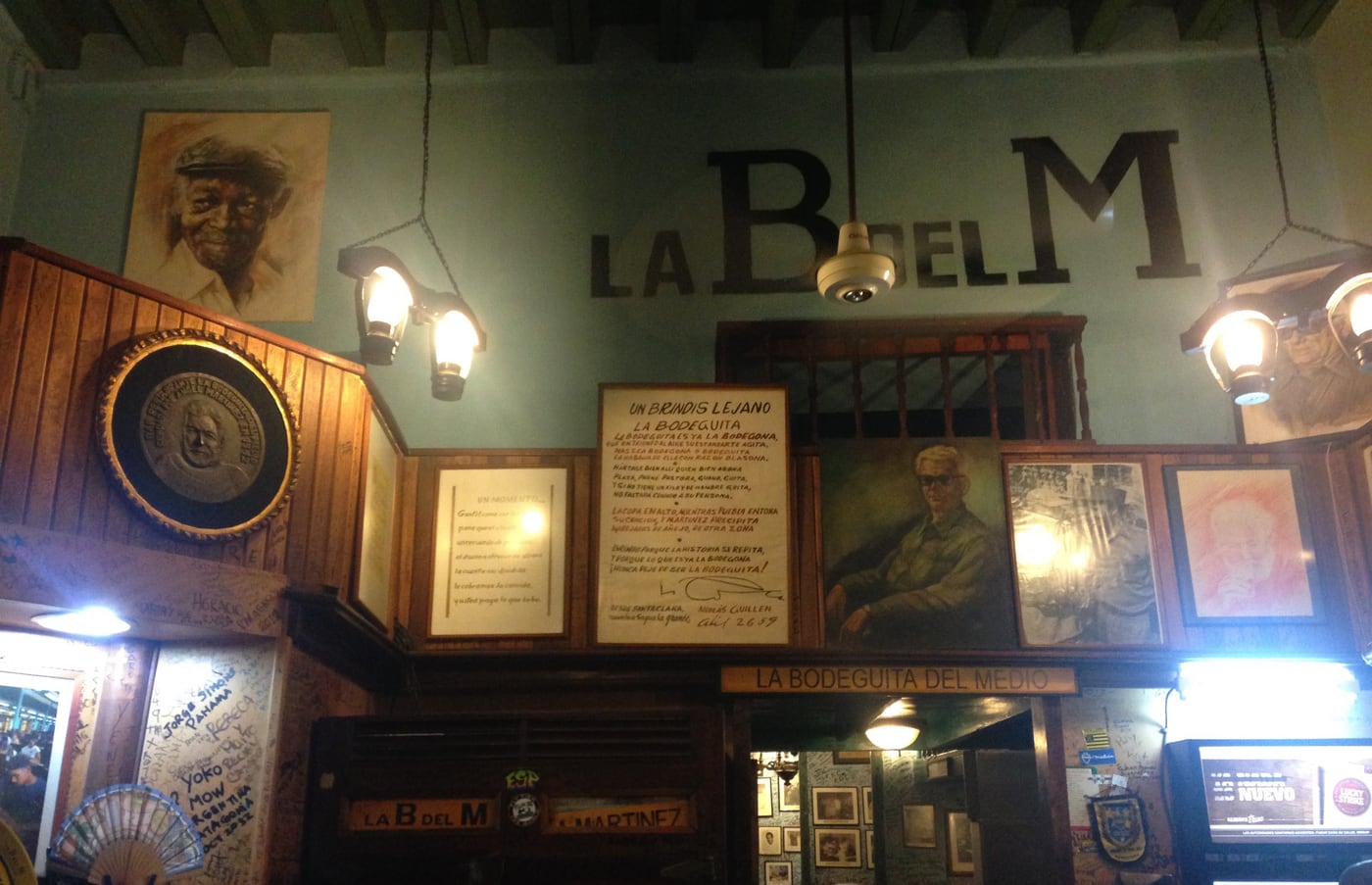
La Bodeguita del Medio
Havana, CubaAn Old Havana bodega turned bar, its walls covered in signatures — where Neruda and Nicolás Guillén drank, and Hemingway's famous mojito line may not be his.