Cuba
Private kitchens in old mansions, rumba in a painted alley, and a country that rewards checking everything the day before.
Most of what's worth finding in Cuba now is small and private: paladares, the family-run restaurants legalised in the reforms of 1993, and rooms rented in family homes. They sit alongside the state-run institutions — the ice-cream parlour, the music houses — that have kept going through everything else.
Plan for that everything else. Since late 2024 Cuba has been through repeated nationwide blackouts and long shortages, so hours change without notice and places close for days at a time. Confirm anything that matters the day before, and travel with cash.
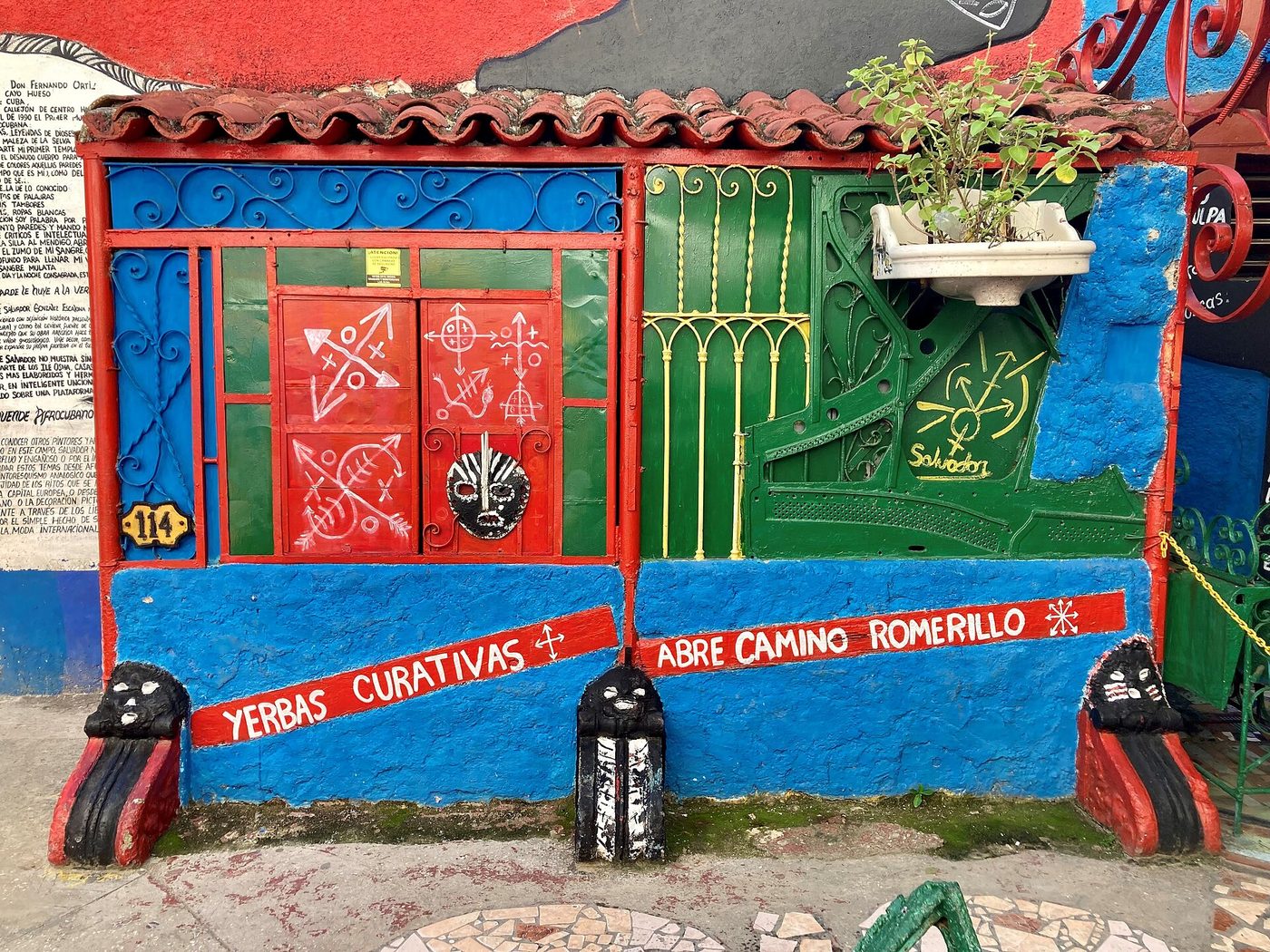
Places in Cuba
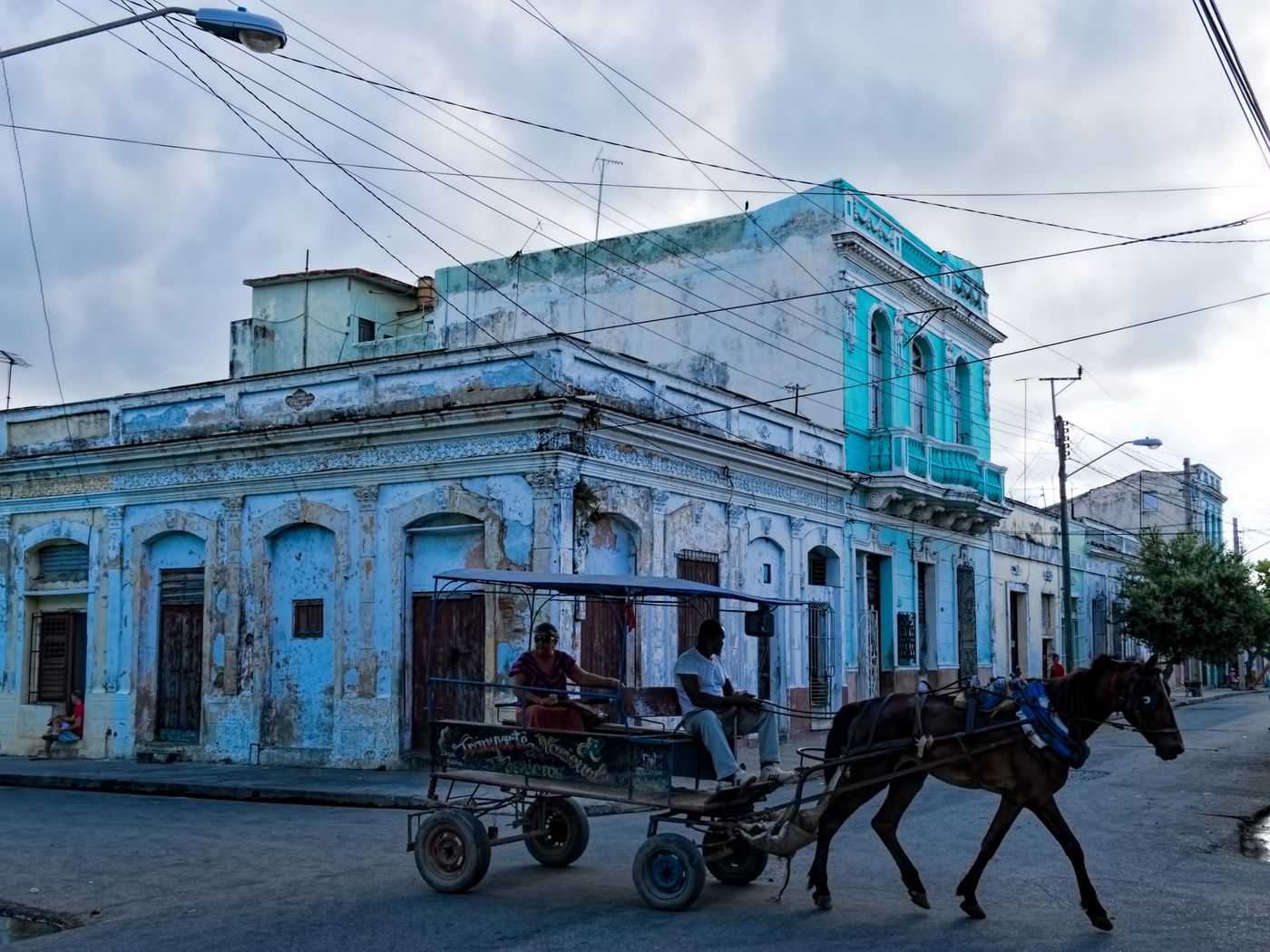
Cienfuegos
A bay city laid out in neoclassical order, with a Moorish fantasy of a palace at the end of its peninsula.
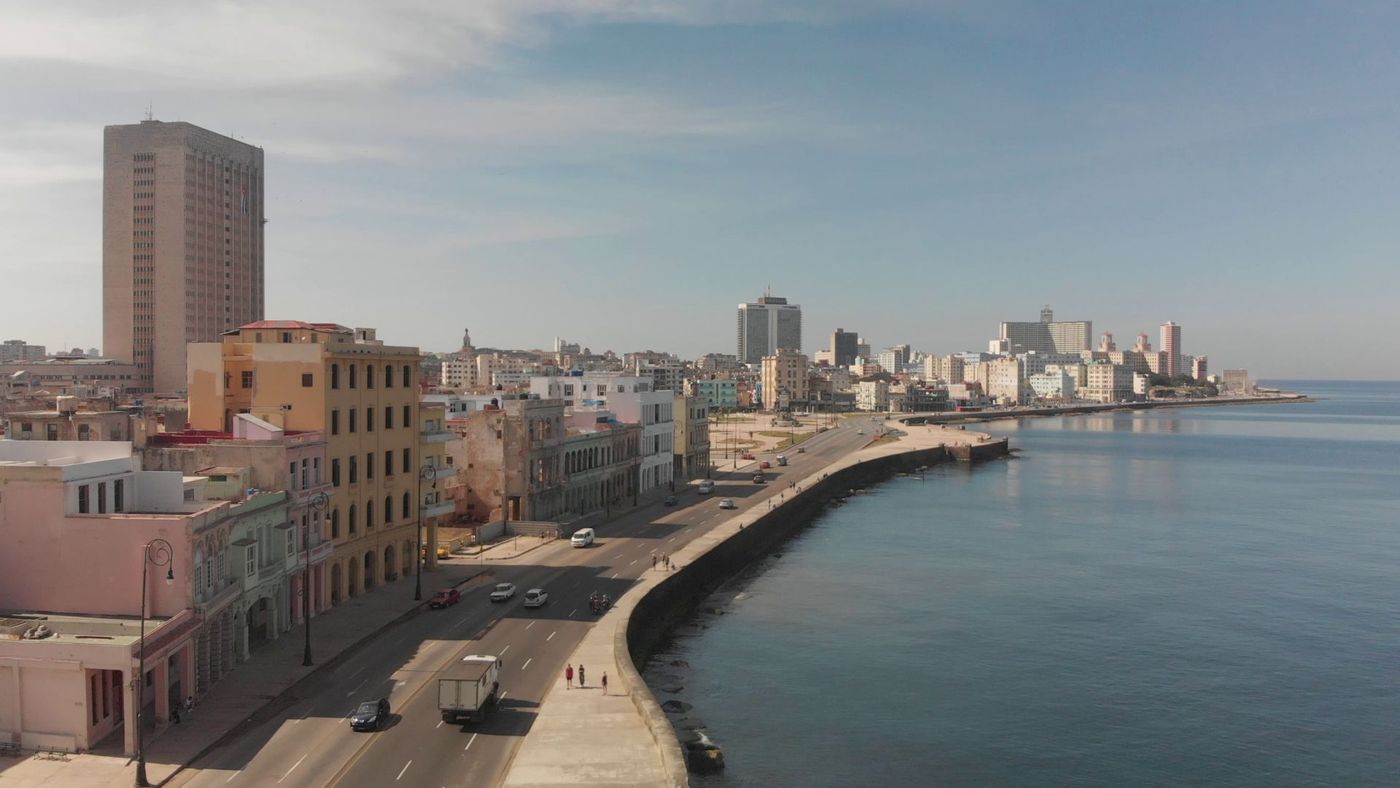
Havana
Paladares at the top of crumbling mansions, rumba on Sunday afternoons, and an ice-cream cathedral that opens when there's ice cream.
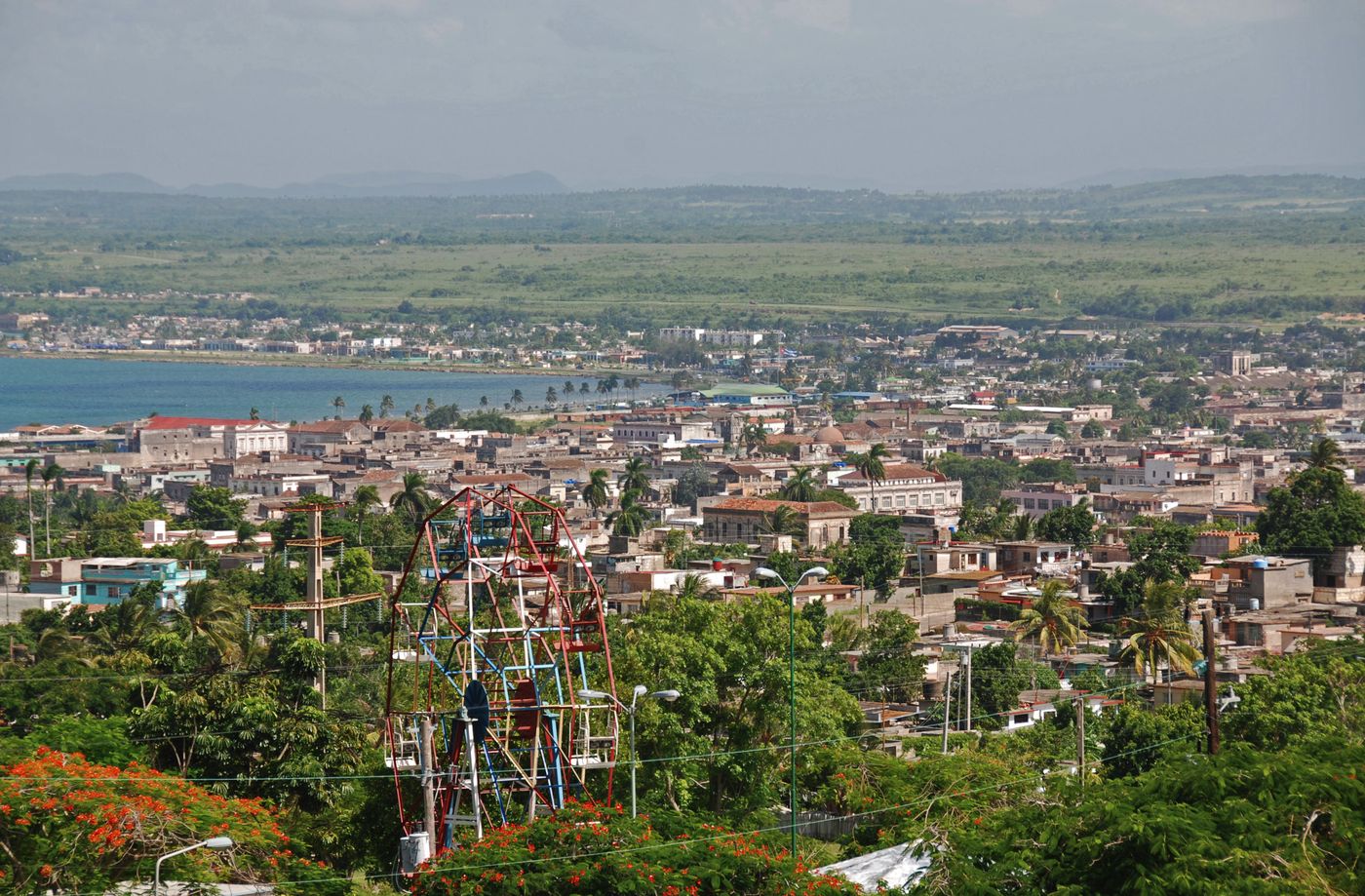
Matanzas
A city of rivers and bridges between Havana and Varadero, where a small press still makes its books by hand.
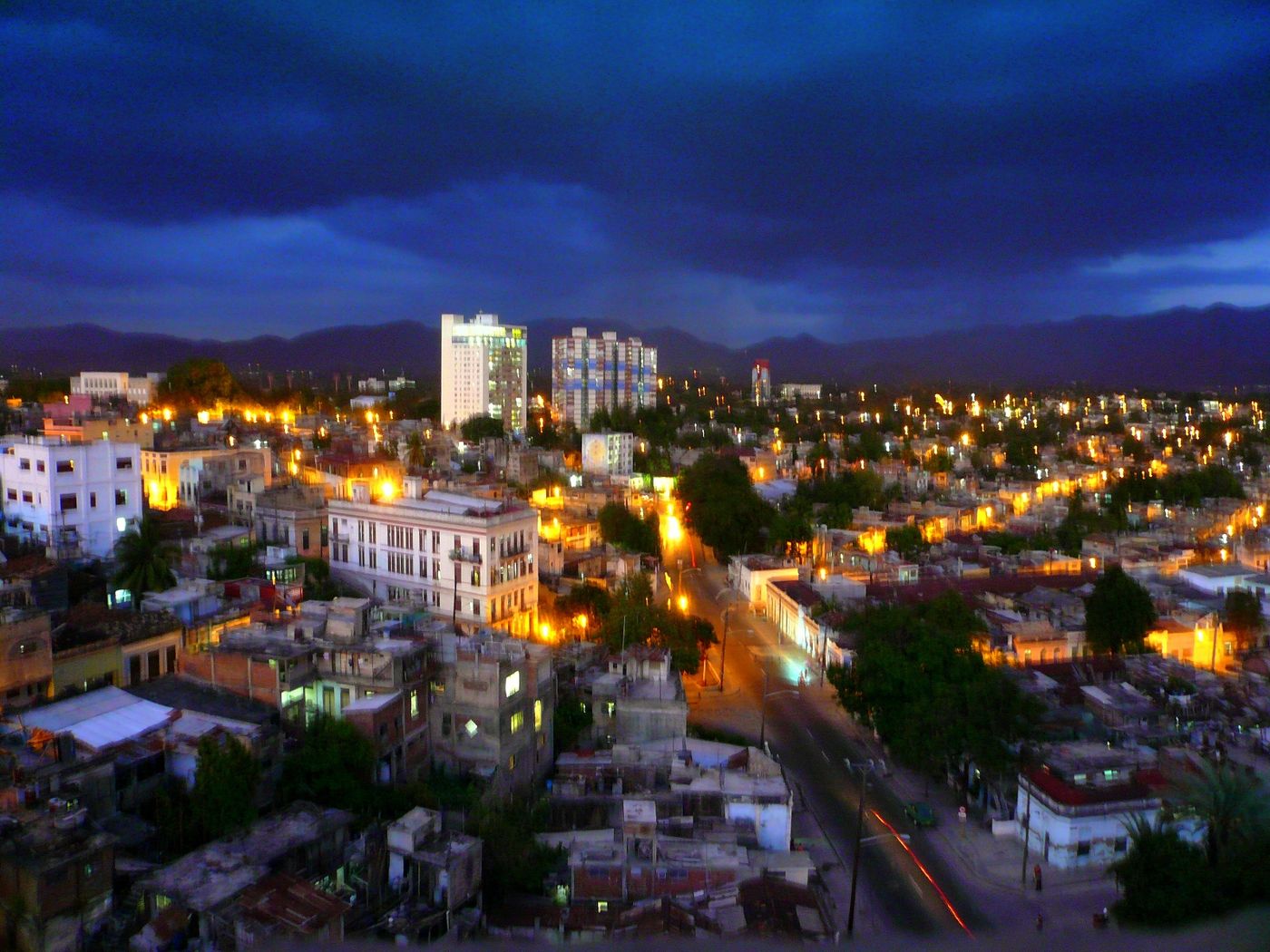
Santiago de Cuba
Cuba's second city, hot, hilly and closer to the Caribbean than to Havana — and the home of trova.
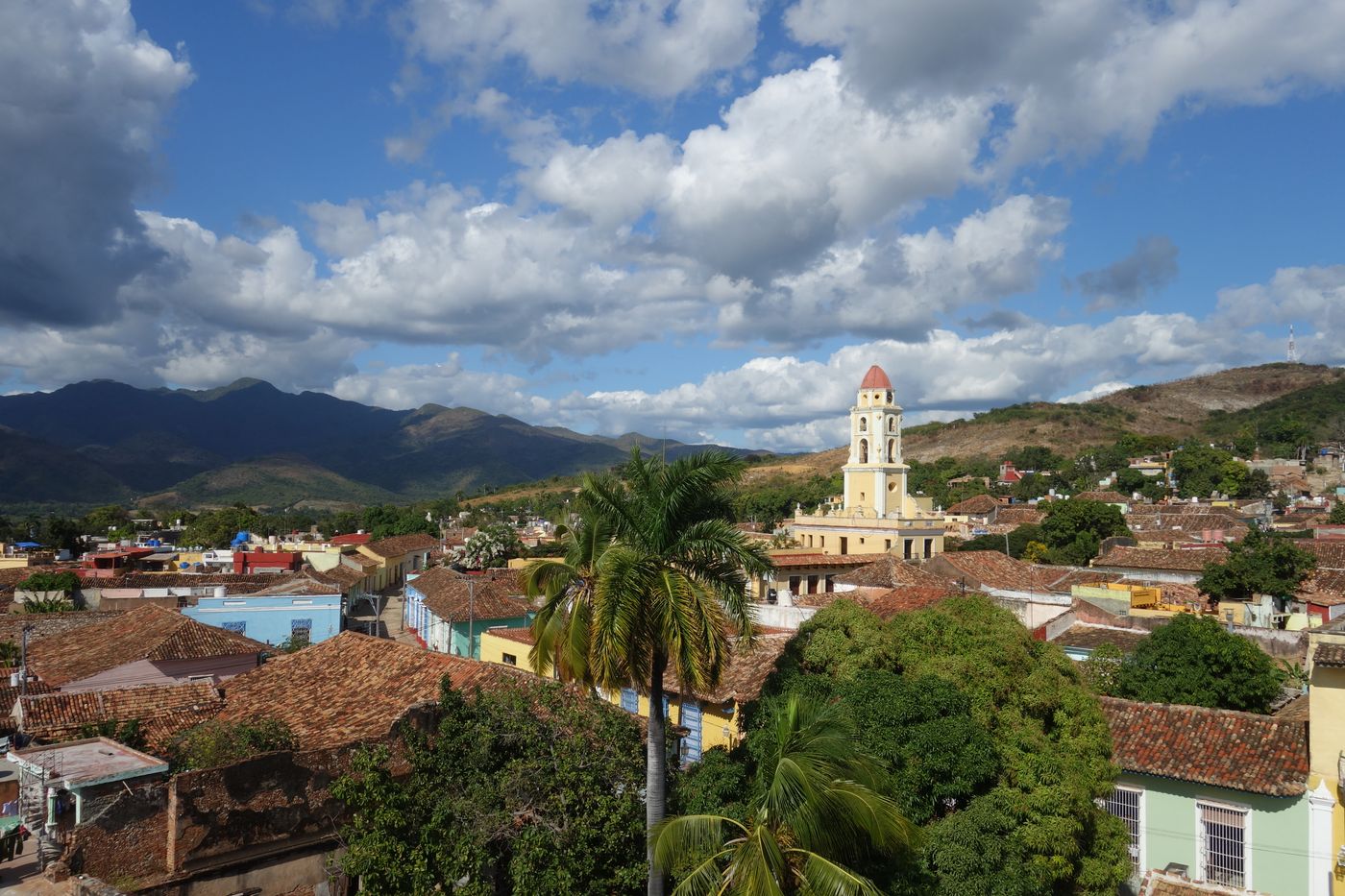
Trinidad
A sugar-boom colonial town of cobbles and pastel houses, where the local drink comes in a clay pot.
Logged in Cuba
Callejón de Hamel
Havana, CubaAn alley of Afro-Cuban murals and scrap-metal sculpture in Cayo Hueso, with live rumba every Sunday from noon.
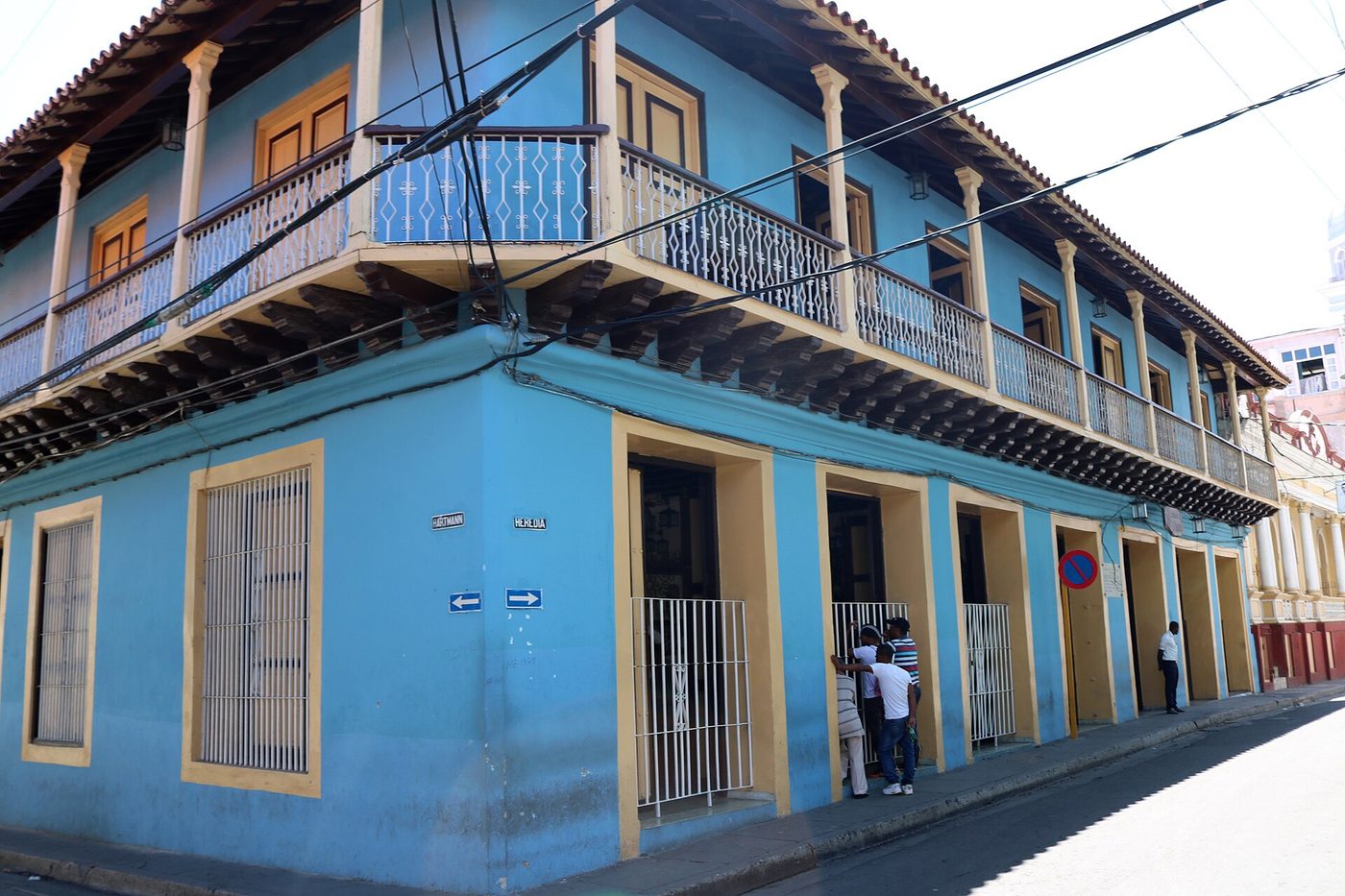
Casa de la Trova
Santiago de Cuba, CubaSantiago's house of trova on Calle Heredia, where the guitar-and-voice music of eastern Cuba is played most of the day.
Clandestina
Havana, CubaCuba's first independent design shop, selling screen-printed shirts, bags and posters on a corner of Old Havana since 2015.
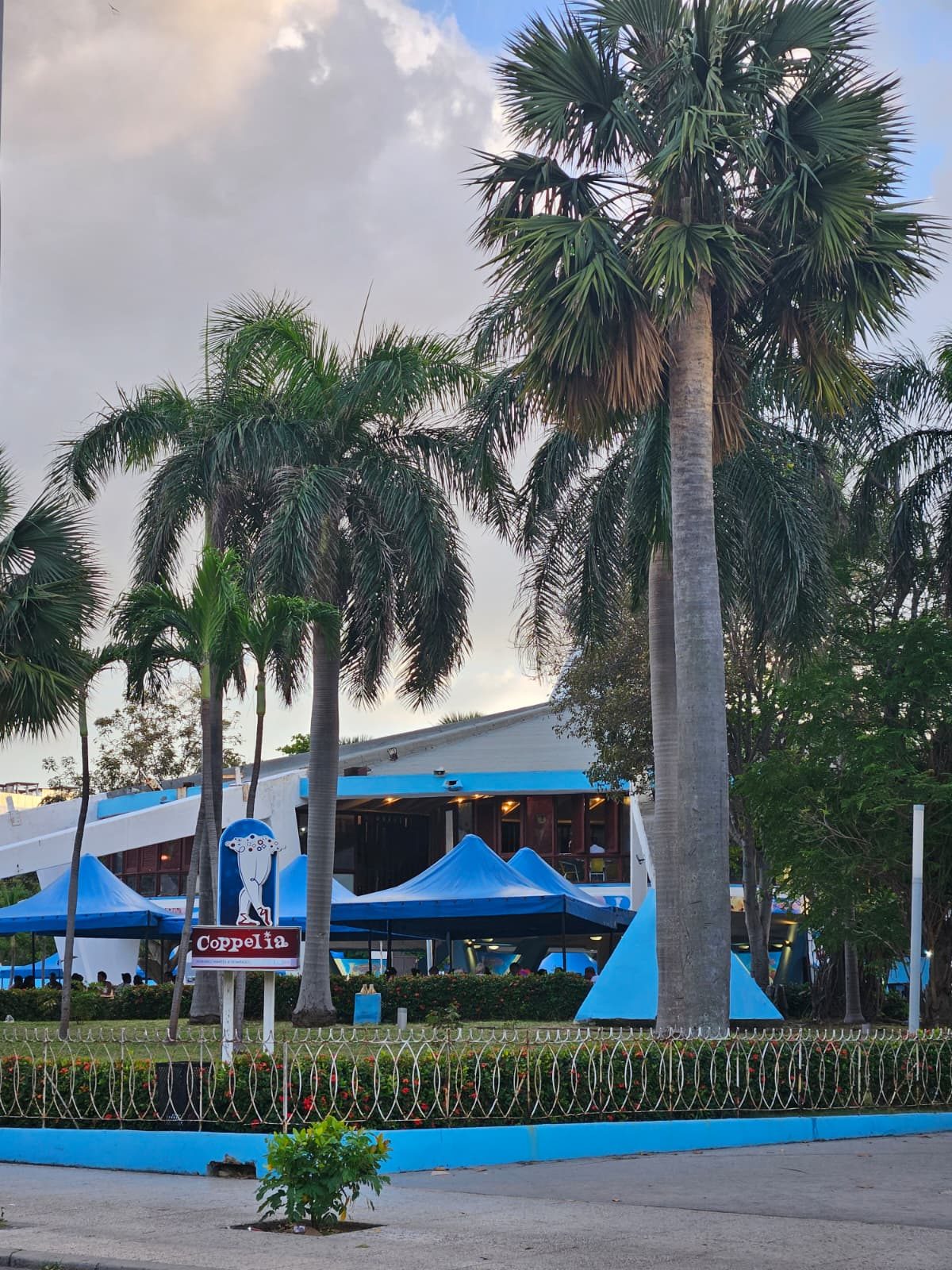
Coppelia
Havana, CubaHavana's 'Cathedral of Ice Cream': a 1966 park pavilion that sells in pesos, offers one or two flavours, and shuts when supplies run out.
Ediciones Vigía
Matanzas, CubaA Matanzas press making books entirely by hand since 1985, in editions of 200 or fewer — collected by the British Library.
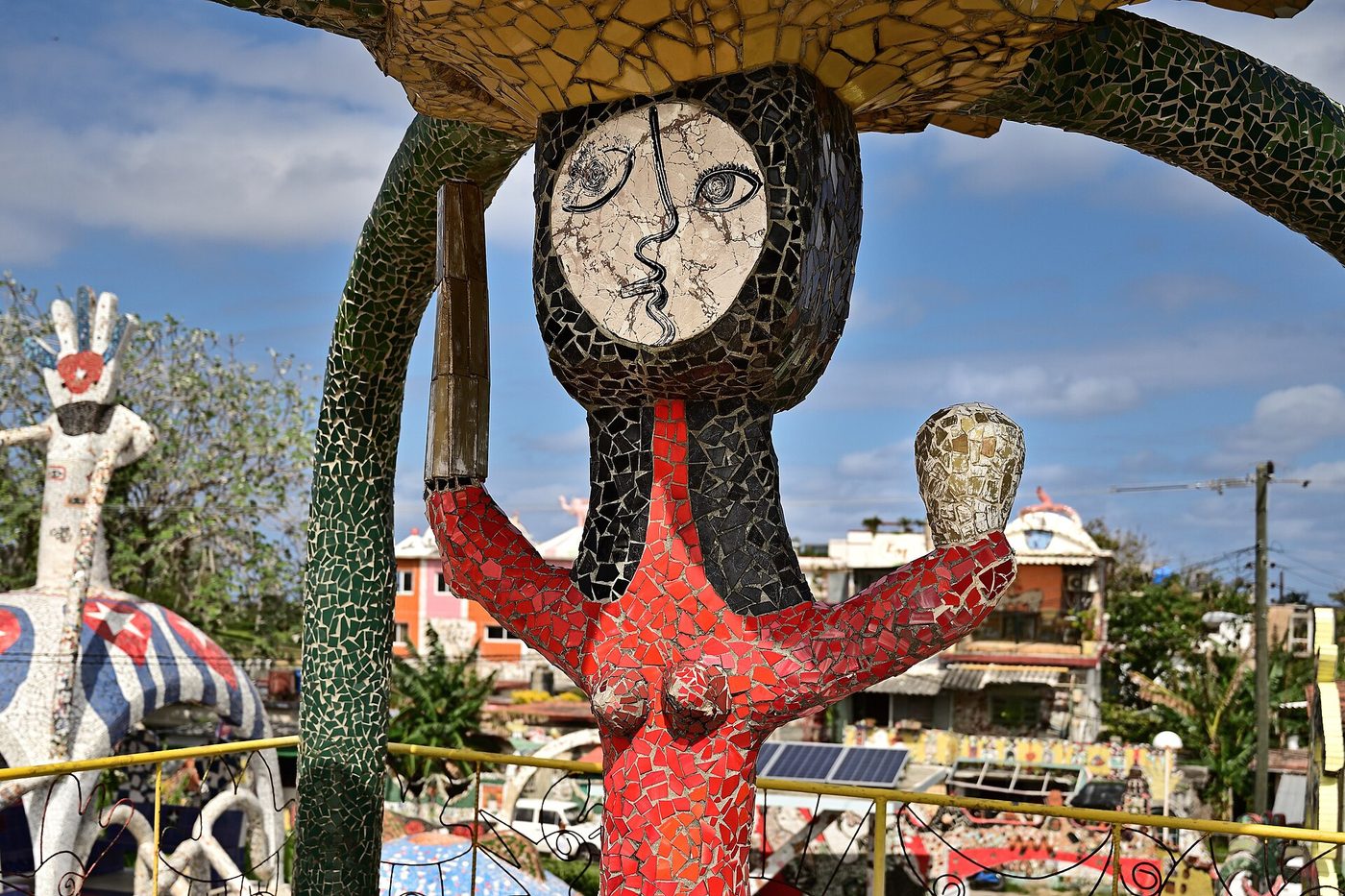
Fusterlandia
Havana, CubaA barrio on Havana's western edge that the artist José Fuster has been covering in mosaic since 1994 — his house first, then his neighbours'.
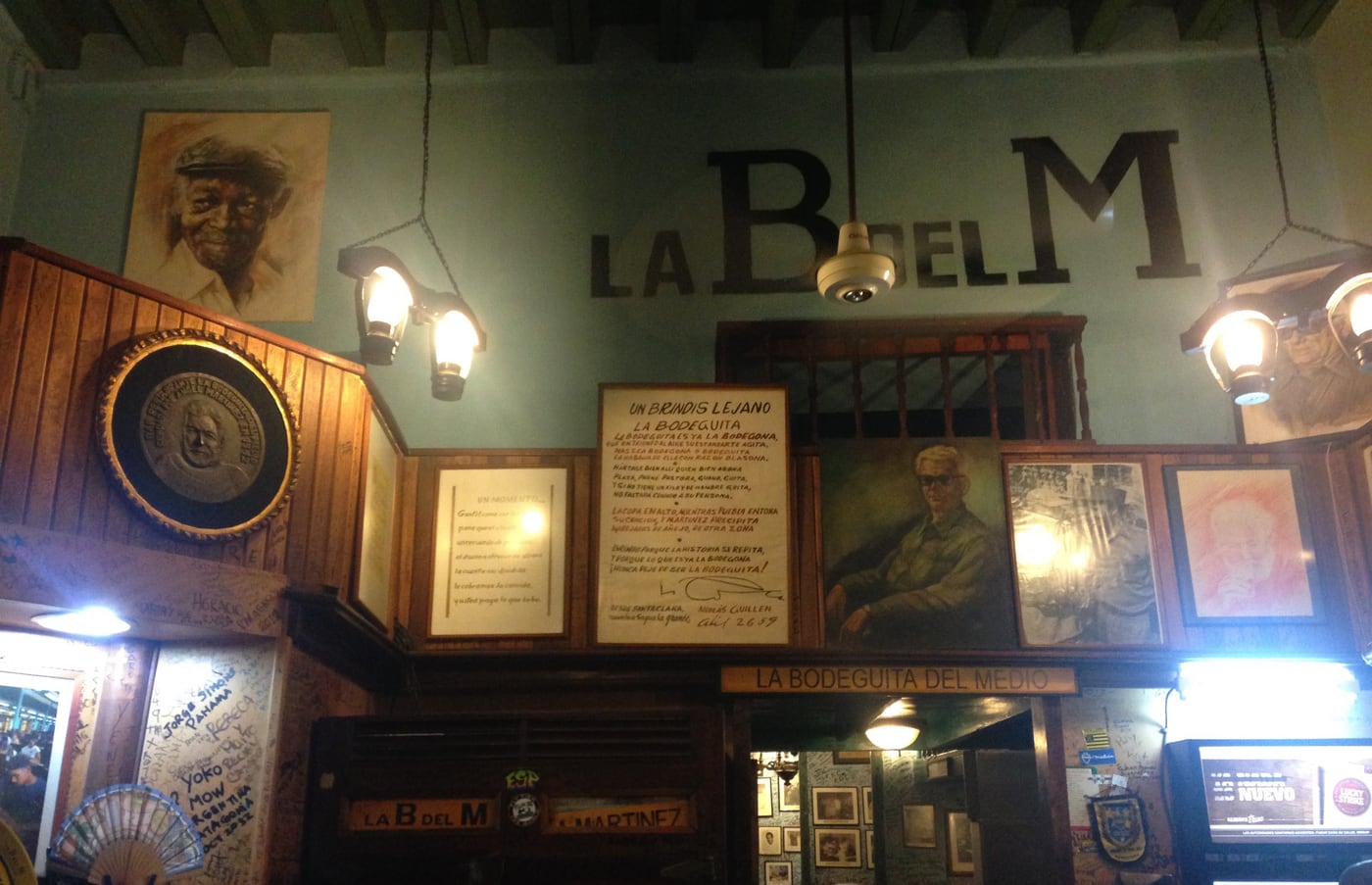
La Bodeguita del Medio
Havana, CubaAn Old Havana bodega turned bar, its walls covered in signatures — where Neruda and Nicolás Guillén drank, and Hemingway's famous mojito line may not be his.
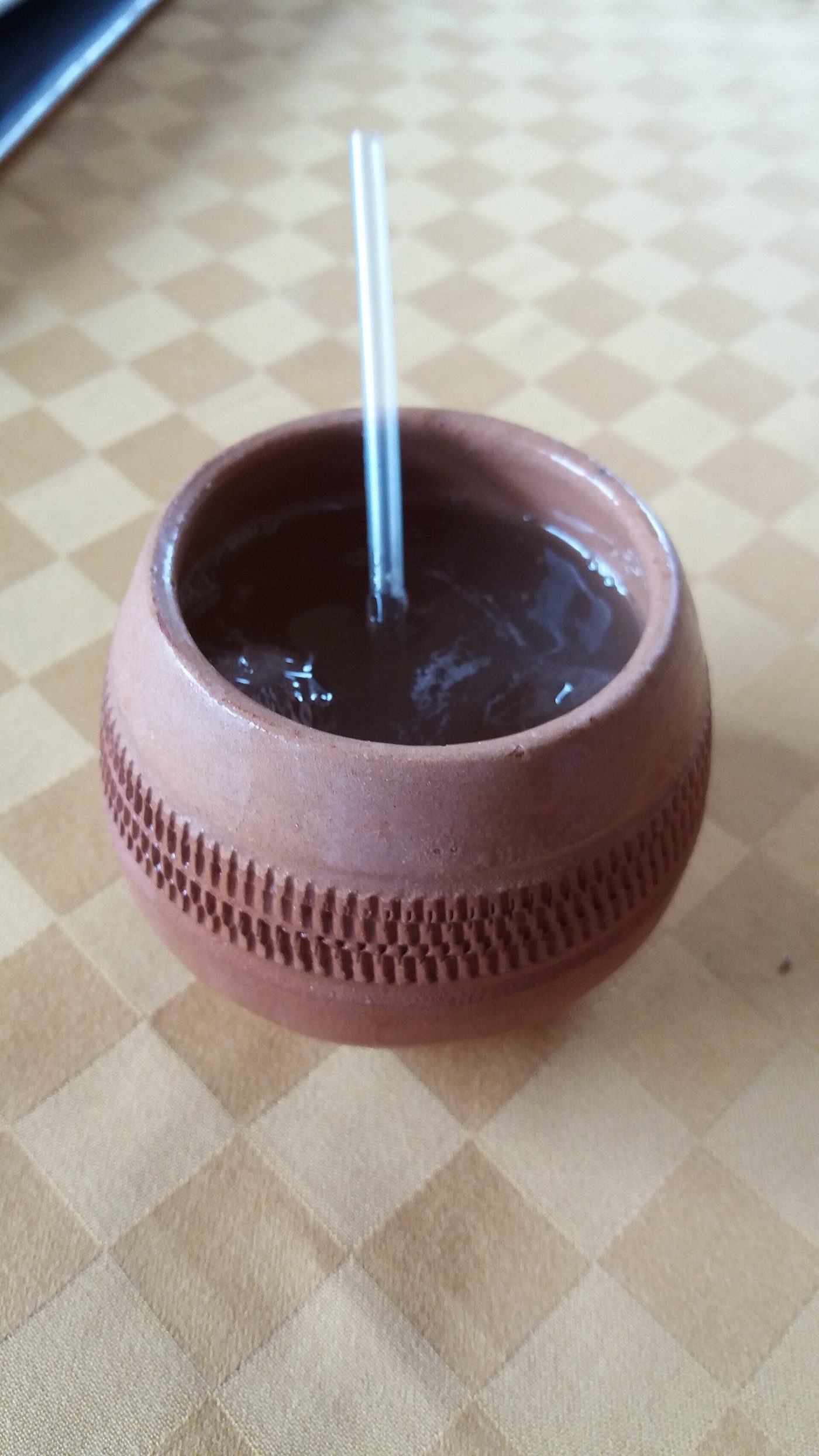
La Canchánchara
Trinidad, CubaA colonial house in Trinidad pouring the canchánchara — rum, honey and lime in a clay pot — often called Cuba's oldest cocktail.
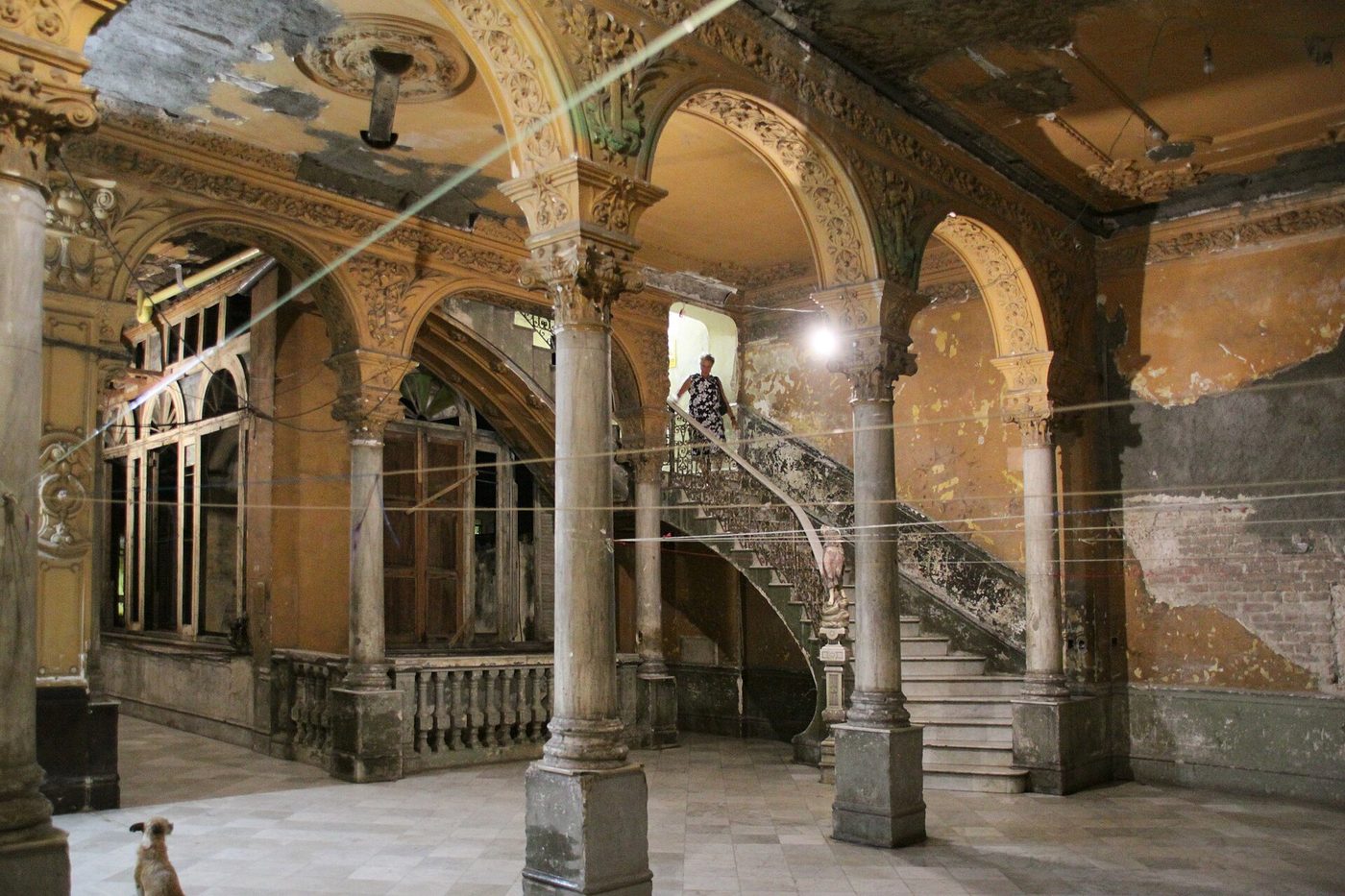
La Guarida
Havana, CubaA paladar at the top of a crumbling Centro Habana mansion — the building where Fresa y Chocolate was filmed.
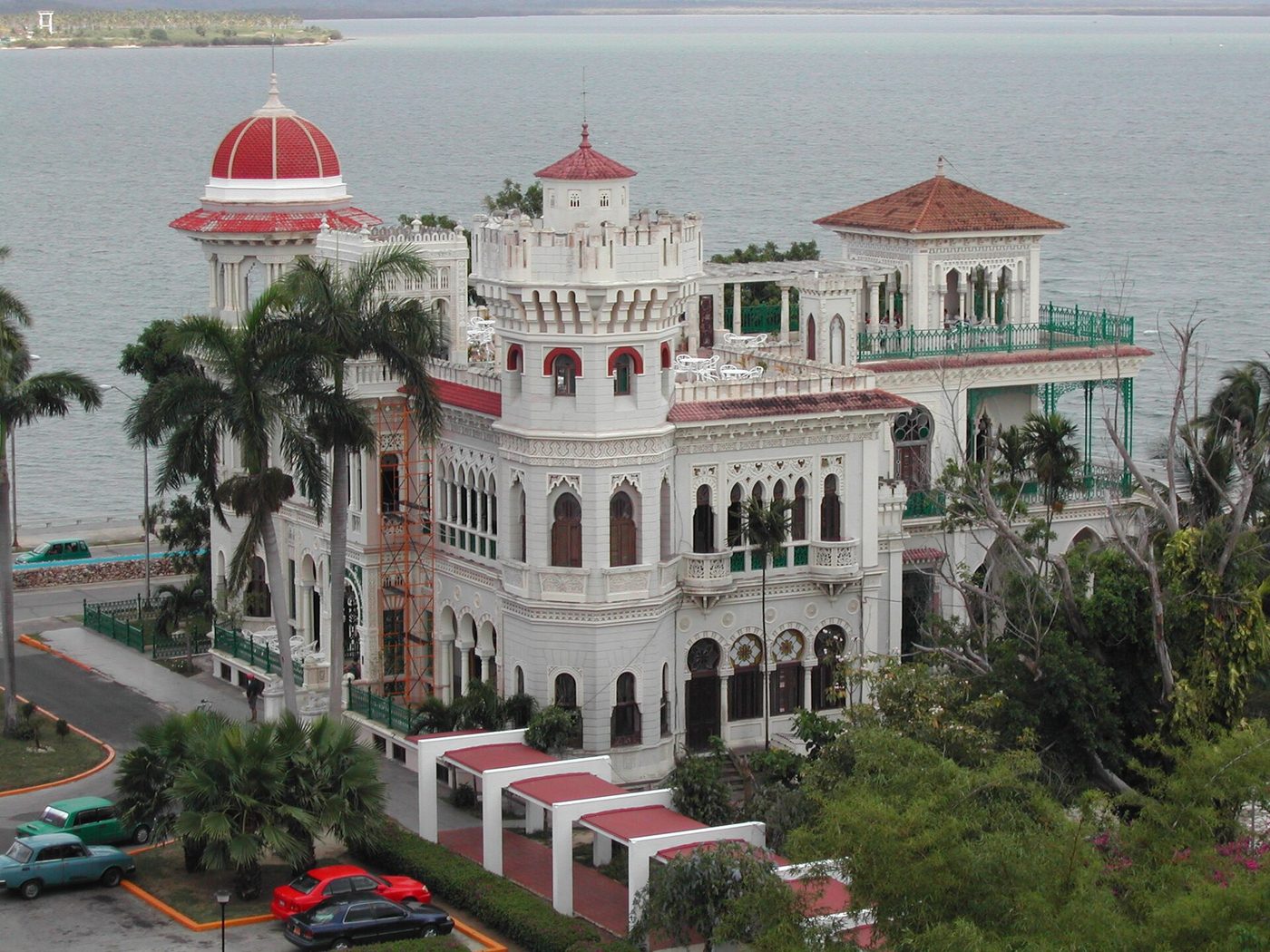
Palacio de Valle
Cienfuegos, CubaA Moorish-revival fantasy villa built 1913–1917 at the tip of Punta Gorda, now a restaurant on Cienfuegos bay.
Mentioned in
Casa de la Trova
Santiago de Cuba, CubaSantiago's house of trova on Calle Heredia, where the guitar-and-voice music of eastern Cuba is played most of the day.
Clandestina
Havana, CubaCuba's first independent design shop, selling screen-printed shirts, bags and posters on a corner of Old Havana since 2015.
La Canchánchara
Trinidad, CubaA colonial house in Trinidad pouring the canchánchara — rum, honey and lime in a clay pot — often called Cuba's oldest cocktail.
La Guarida
Havana, CubaA paladar at the top of a crumbling Centro Habana mansion — the building where Fresa y Chocolate was filmed.
Palacio de Valle
Cienfuegos, CubaA Moorish-revival fantasy villa built 1913–1917 at the tip of Punta Gorda, now a restaurant on Cienfuegos bay.