The Best Places to Ring In the New Year
Eight places in the order midnight reaches them — 108 strikes of a temple bell in Kyoto, twelve grapes in Madrid, a river of torches in Edinburgh, and the ball in Times Square.
Fireworks are everywhere at midnight. What's worth travelling for is the way a place marks it: a ritual, a food, a sound. These eight run in the order the new year reaches them, from Japan westward around the world to New York.
Japan sees it first, and quietly. At Chion-in in Kyoto, a team of seventeen monks swings the beam of a bell that weighs about 70 tonnes, 108 times — one strike for each of the desires Buddhism says weigh on a person — starting around 10:40 pm on New Year's Eve and finishing just after midnight. In Tokyo, the new year begins with hatsumōde, the first shrine visit: Meiji Jingu stays open through the night and has counted more than three million visitors over the first three days, the most of any shrine in Japan.
Dubai goes the other way, with fireworks off the Burj Khalifa. Last year the main viewing areas around the lake were ticketed and sold out, with free viewing further away; check Emaar's terms for this year before planning around it. In Helsinki, Finns used to tell the year's fortune by dropping molten tin into cold water and reading the shapes. The lead in the tin was restricted in 2018, so it's wax now, but the reading of the shadows carries on.
Madrid eats twelve grapes, one for each strike of the clock on the Real Casa de Correos in the Puerta del Sol, broadcast nationally since 1962. How the custom started is disputed; a surplus of Alicante grapes in 1909 is the most-told story. Edinburgh takes three days over it: the Hogmanay torchlight procession on 29 December, the street party on the 31st, and on 1 January the Loony Dook, a mass swim in the Forth at South Queensferry.
Valparaíso, with Viña del Mar and Concón, fires its new year over the Pacific along roughly 25 kilometres of coast — in recent years as a low-noise show. New York is last, at the ball drop above One Times Square, a tradition since 1907 that has only stopped for 1942 and 1943.
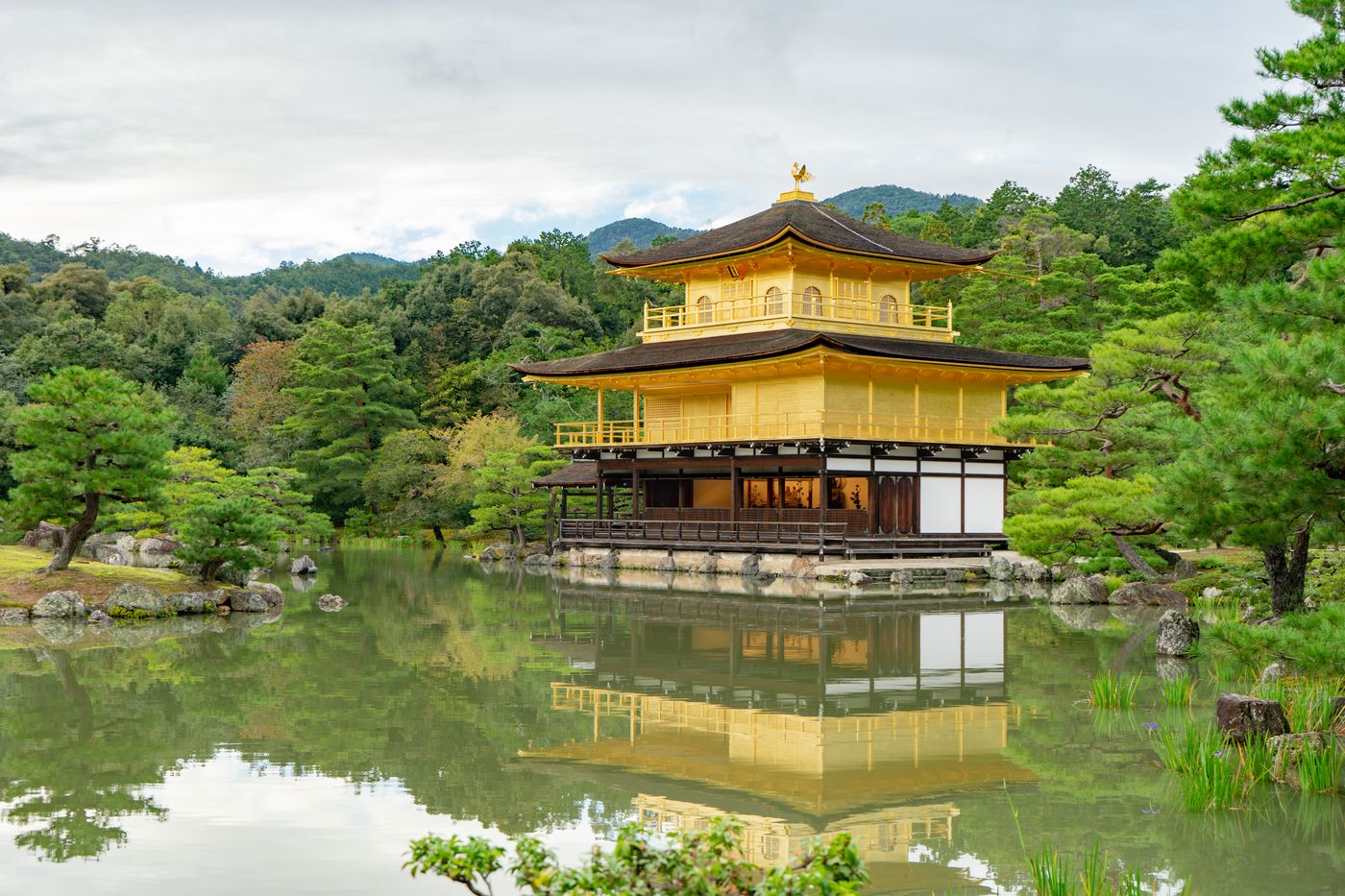
Kyoto
The temples get the crowds; the obanzai kitchens two streets over get the regulars.
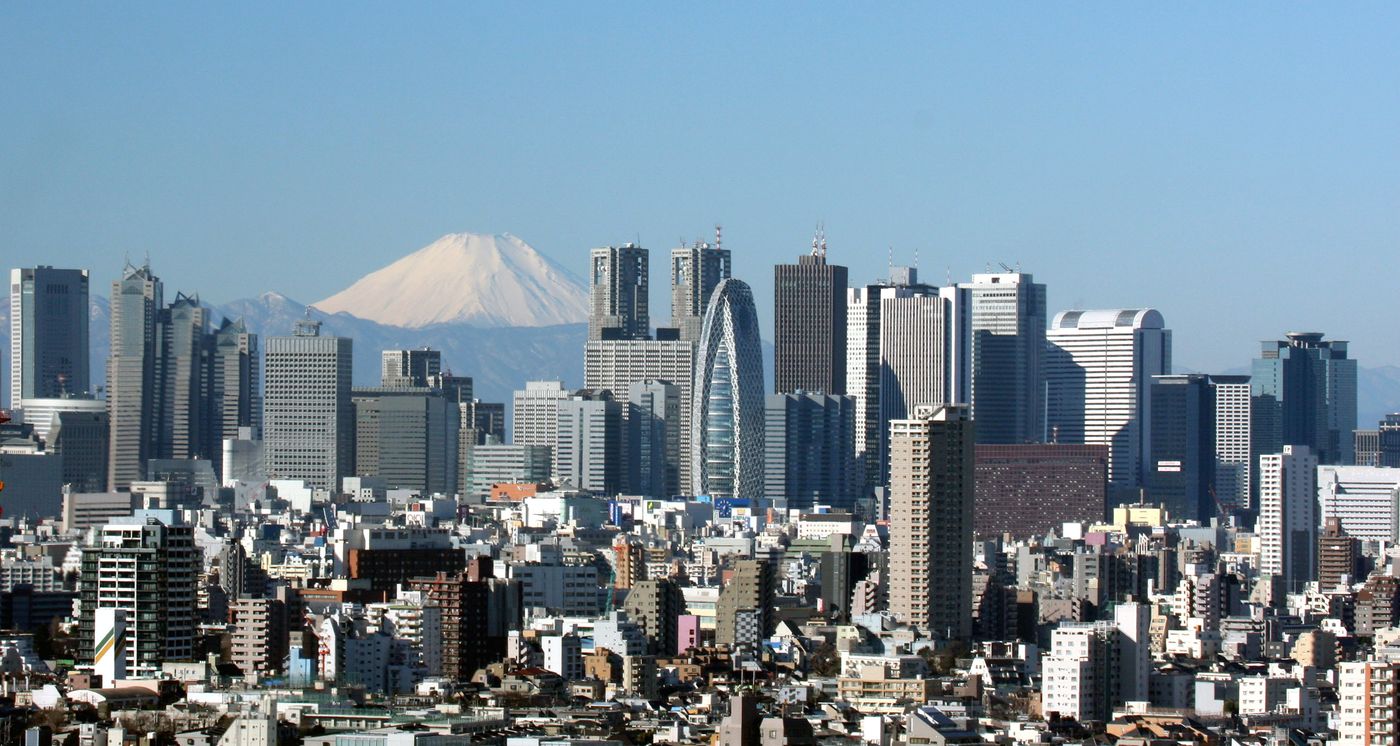
Tokyo
Shimokitazawa's back streets hold more good counters than the guidebook districts ever will.
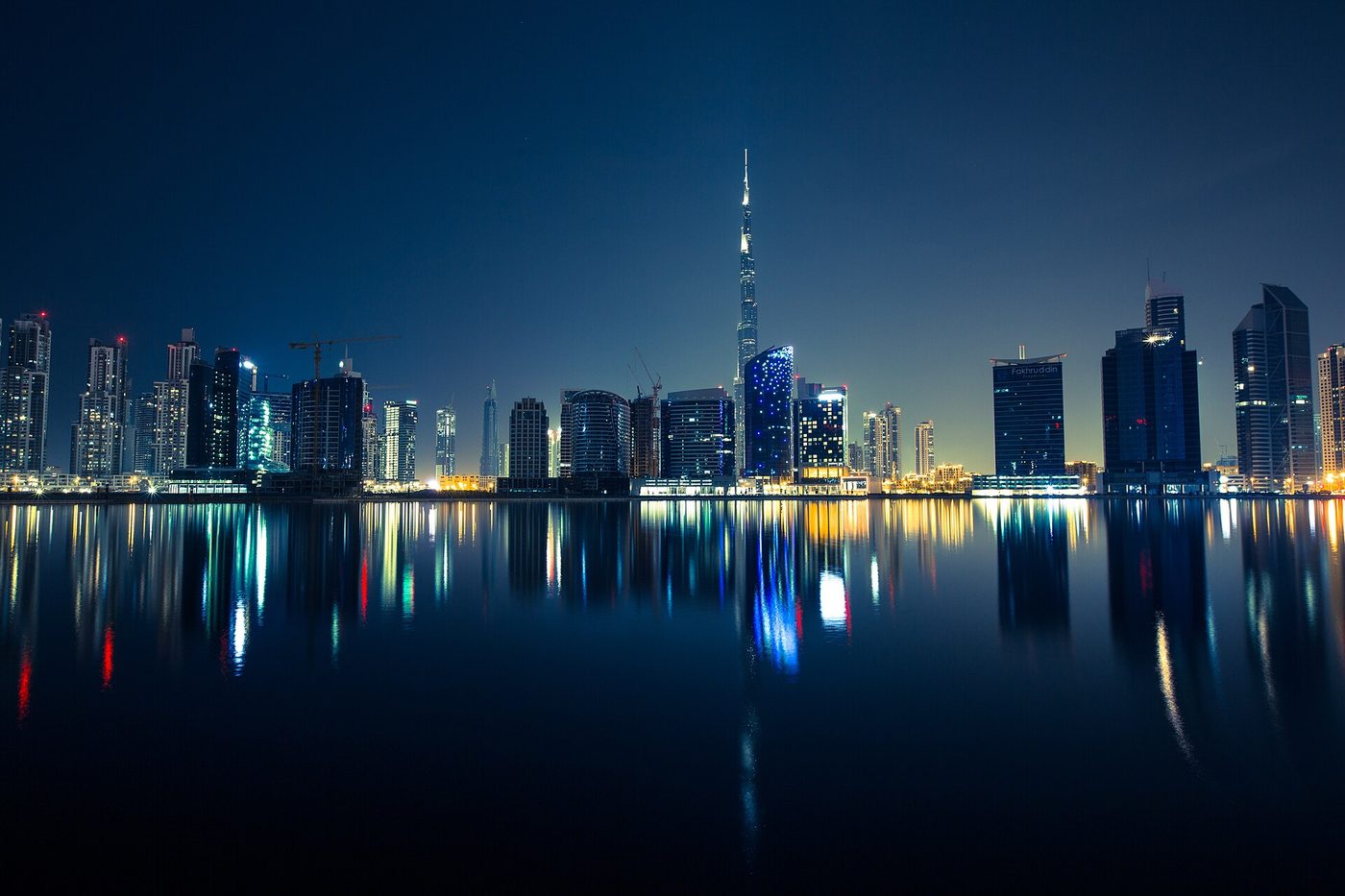
Dubai
The old coral-stone lanes of Al Fahidi sit a ten-minute walk from the world's tallest building and get a fraction of the visitors.
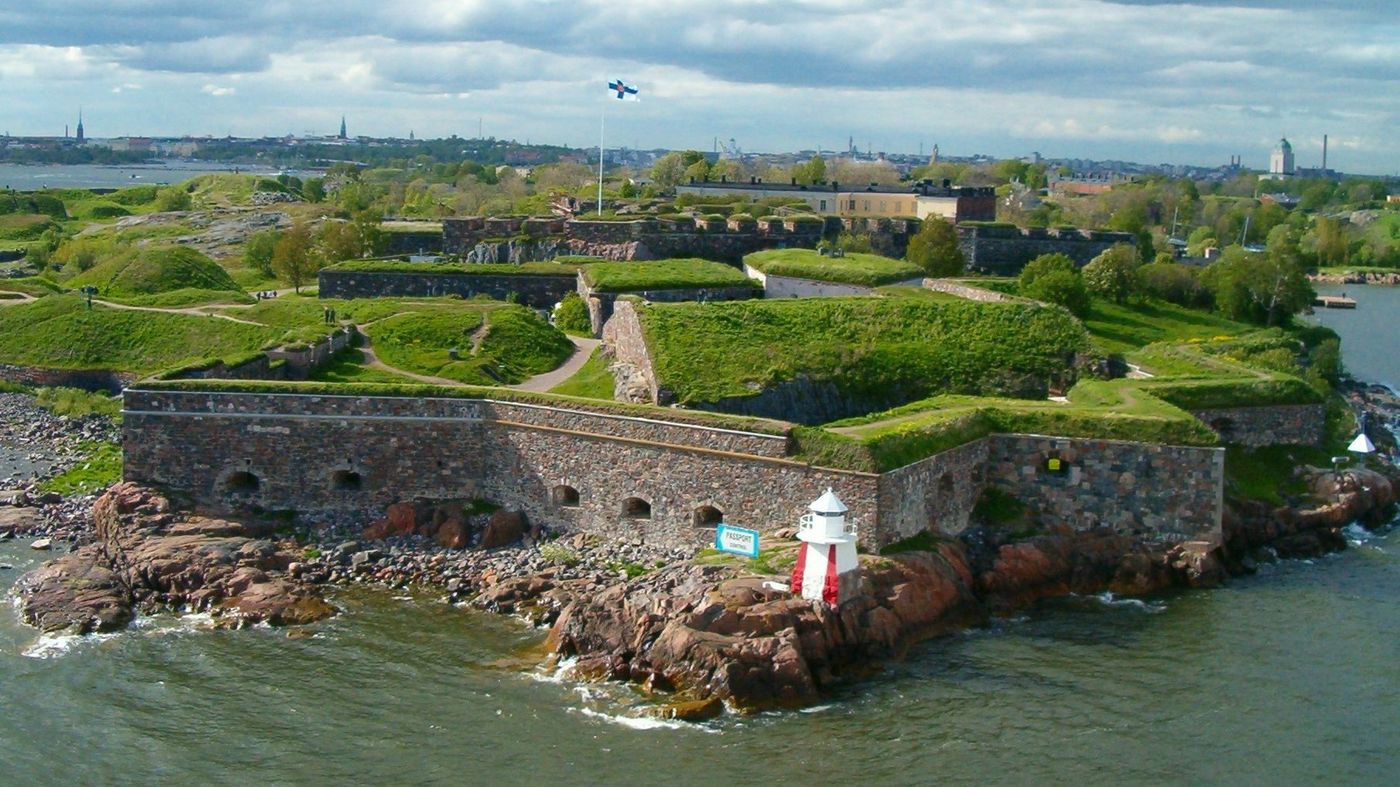
Helsinki
A harbour capital where the best kitchens are in a Kallio walk-up or a warehouse, not the tourist grid.
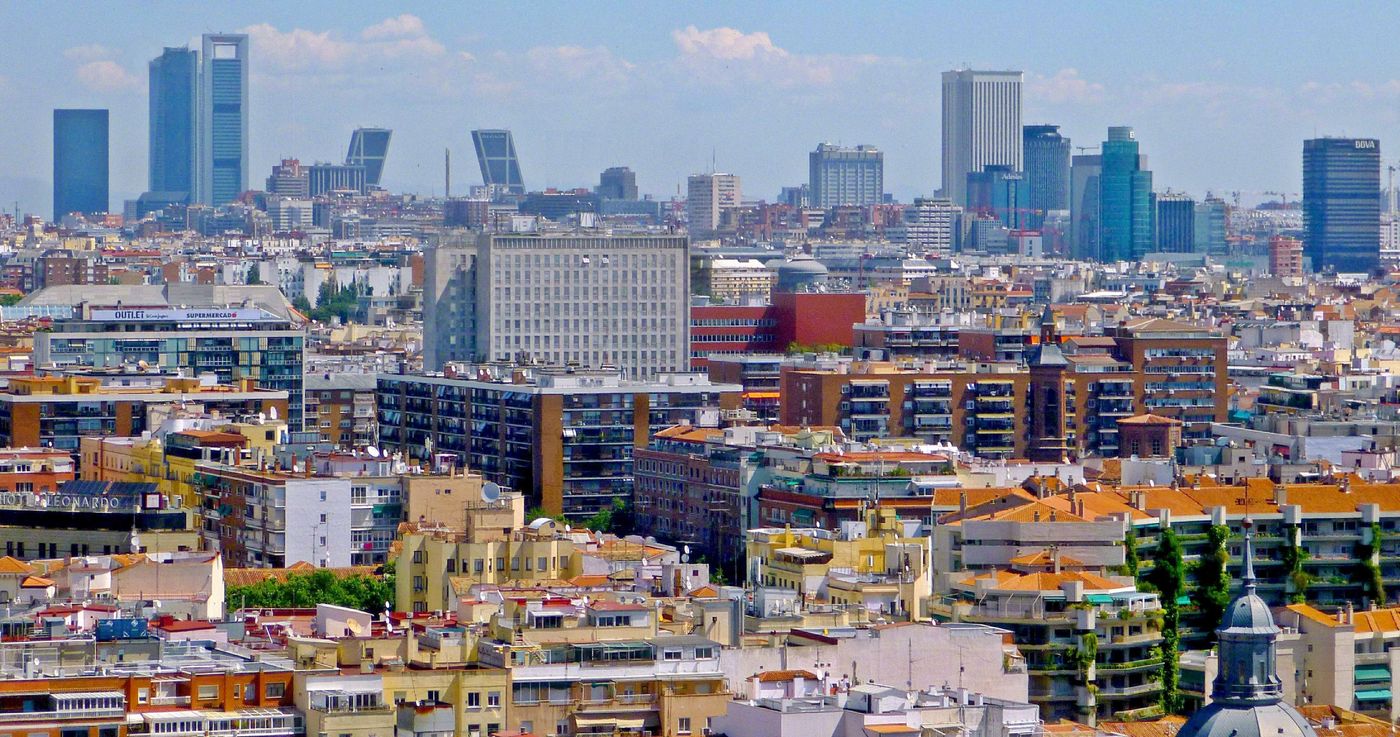
Madrid
A landlocked capital that eats late and lives outdoors, with more tapas bars per block than anywhere else in Spain.
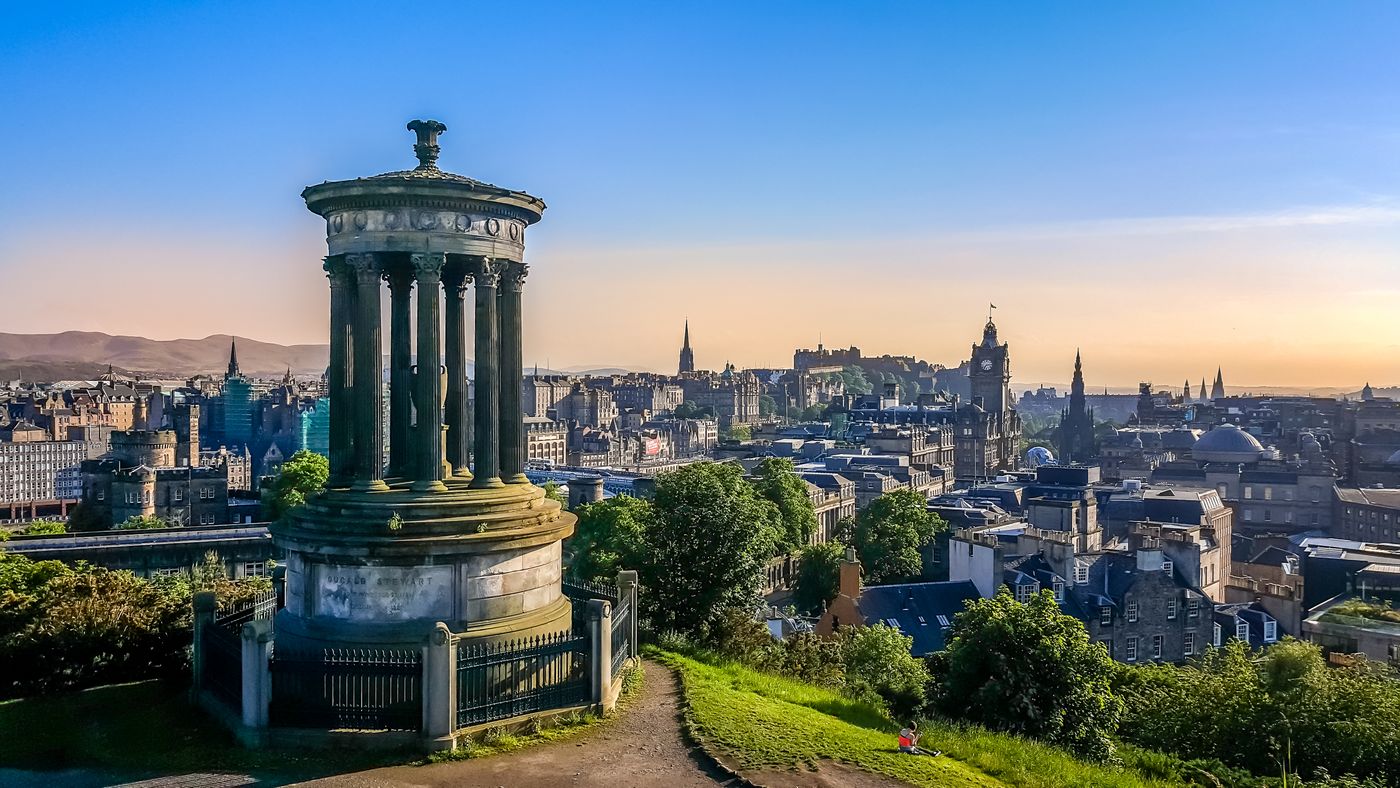
Edinburgh
The New Town's grandest interiors were built as showrooms, not bars — this one only became a bar by accident of geography.
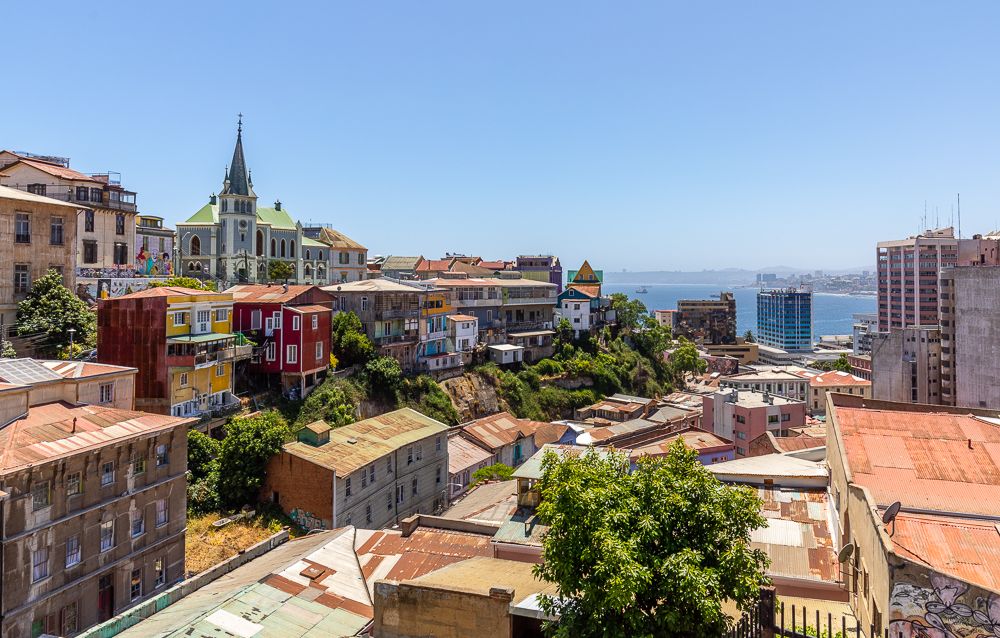
Valparaíso
A port city stacked up impossibly steep hills, its century-old funiculars and layered murals doing double duty as transit and public art.
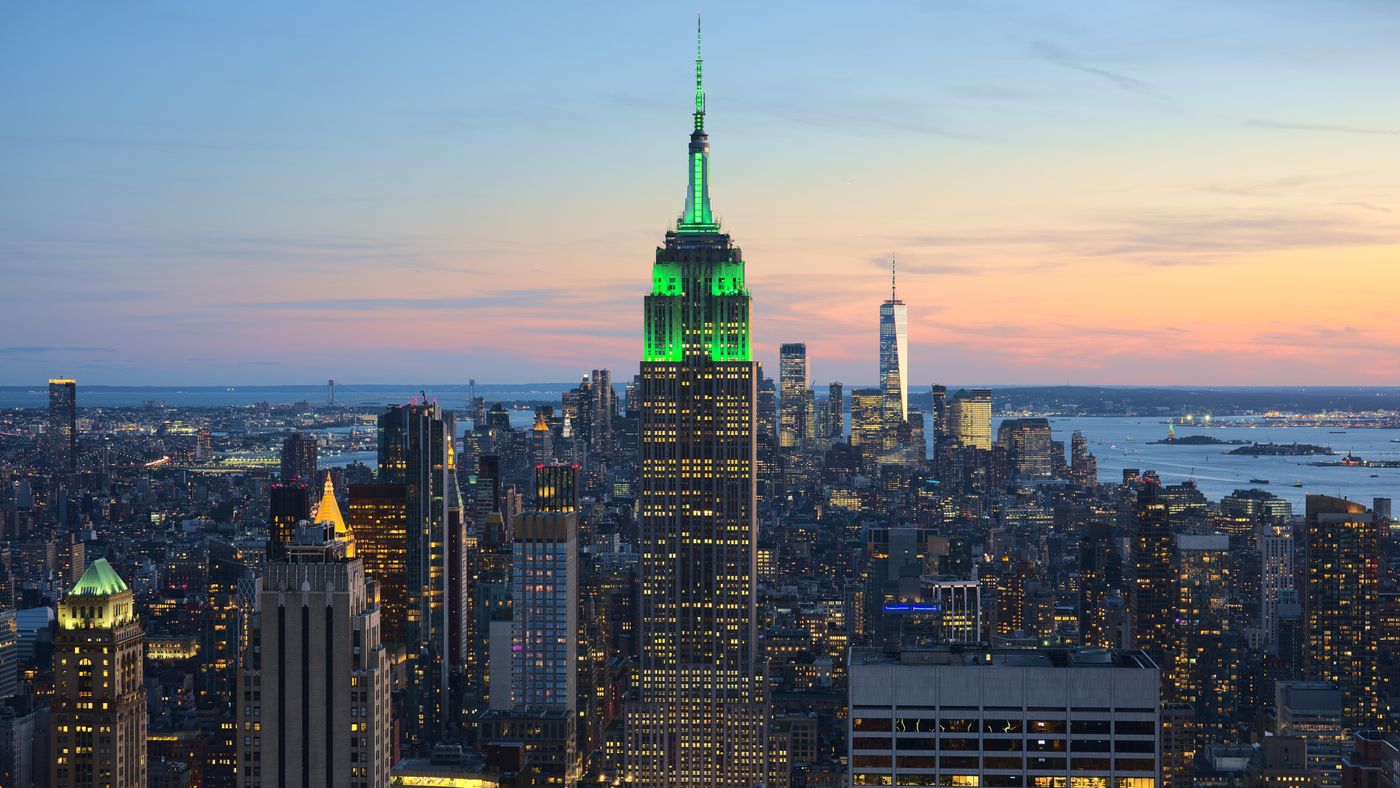
New York City
The institutions outlast the trends, and most of them are older than anyone eating there.