The Best Walled Towns and Cities
Ten places still inside their walls — the only fortified city north of Mexico, Marrakech's 12th-century red ramparts, and a Greek village whose houses are the wall.
A wall decides how a town grows. Everything inside stays close and narrow and walkable; everything new goes outside. These ten still have theirs, or enough of them that you know where the old town ends.
Quebec City is the one that surprises people. UNESCO describes it as the only city in North America north of Mexico to have kept its ramparts, with the bastions and gates still around Old Québec, a World Heritage Site since 1985.
Morocco has the most. Essaouira was laid out in the 18th century by Sultan Mohammed ben Abdallah and the architect Théodore Cornut, walled right to the edge of its rocky peninsula. Marrakech's red walls go back to the Almoravids in the 1120s and gave it the name "the Red City." Fes el-Bali keeps large stretches of its historic walls, and the World Heritage Site protects the walls themselves as well as the medina inside. Tangier's old town is still ringed by the remains of more than 1,800 metres of stone rampart, around a medina the Portuguese held and fortified from 1471 to 1661. Chefchaouen began in the 15th century as a single kasbah, a fortress against Portuguese raids, and grew into a town around it.
In Andalucía, Carmona was walled by the Moors on older foundations; its Córdoba Gate is partly Roman, and its old alcázar is now a Parador. On Chios, Mesta was built by the Genoese as a fortified mastic village, its houses sharing outer walls so that the village itself is the defence.
Two are frontier cities. Kars, in Turkey's far northeast, has basalt city walls dating to the 12th century below its castle. Jodhpur's old city circles the Mehrangarh Fort inside a wall with several gates; the fort's second gate still shows the marks of cannonballs fired by an attacking army from Jaipur.
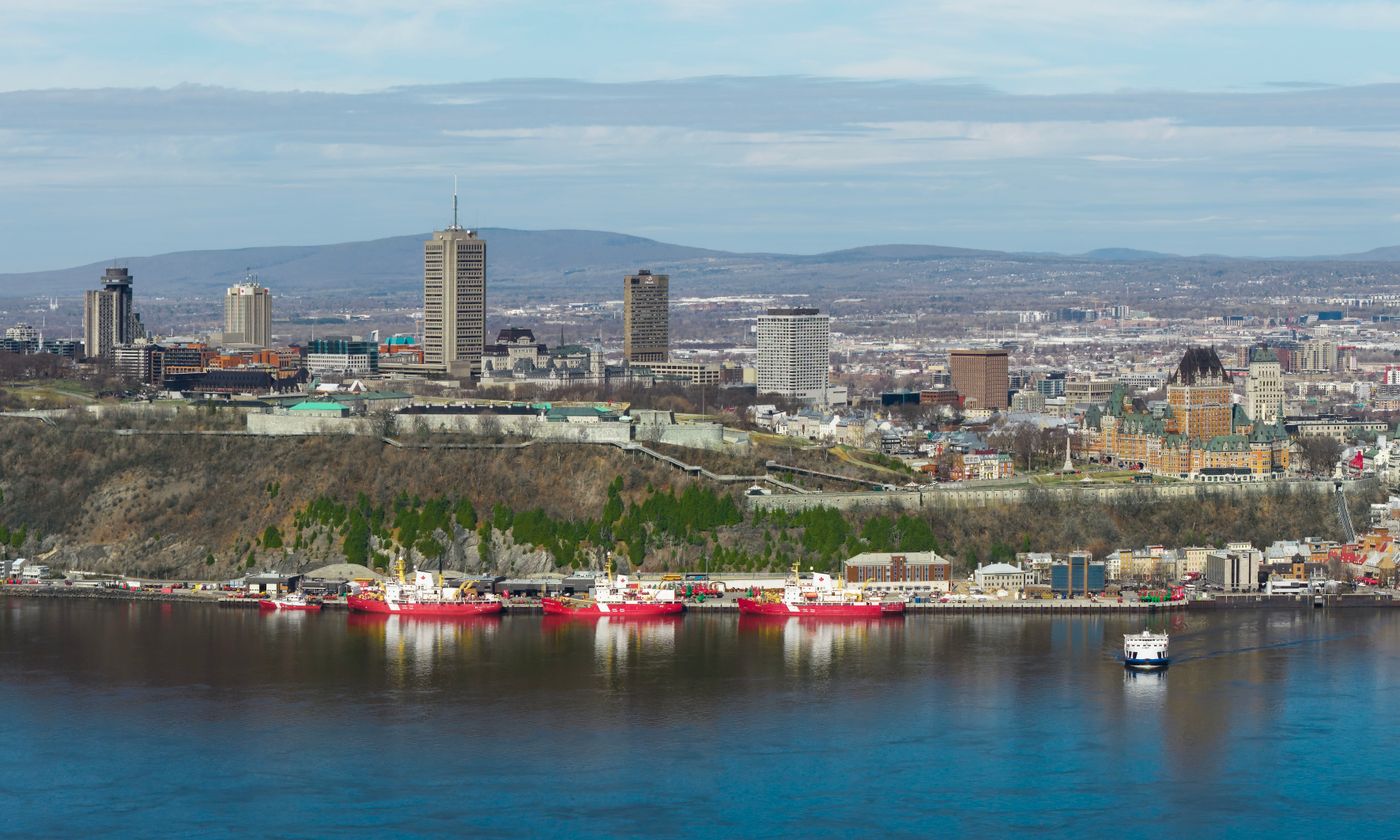
Quebec City
Walled, French-speaking, and cooking a heavier, richer table than the rest of Canada.
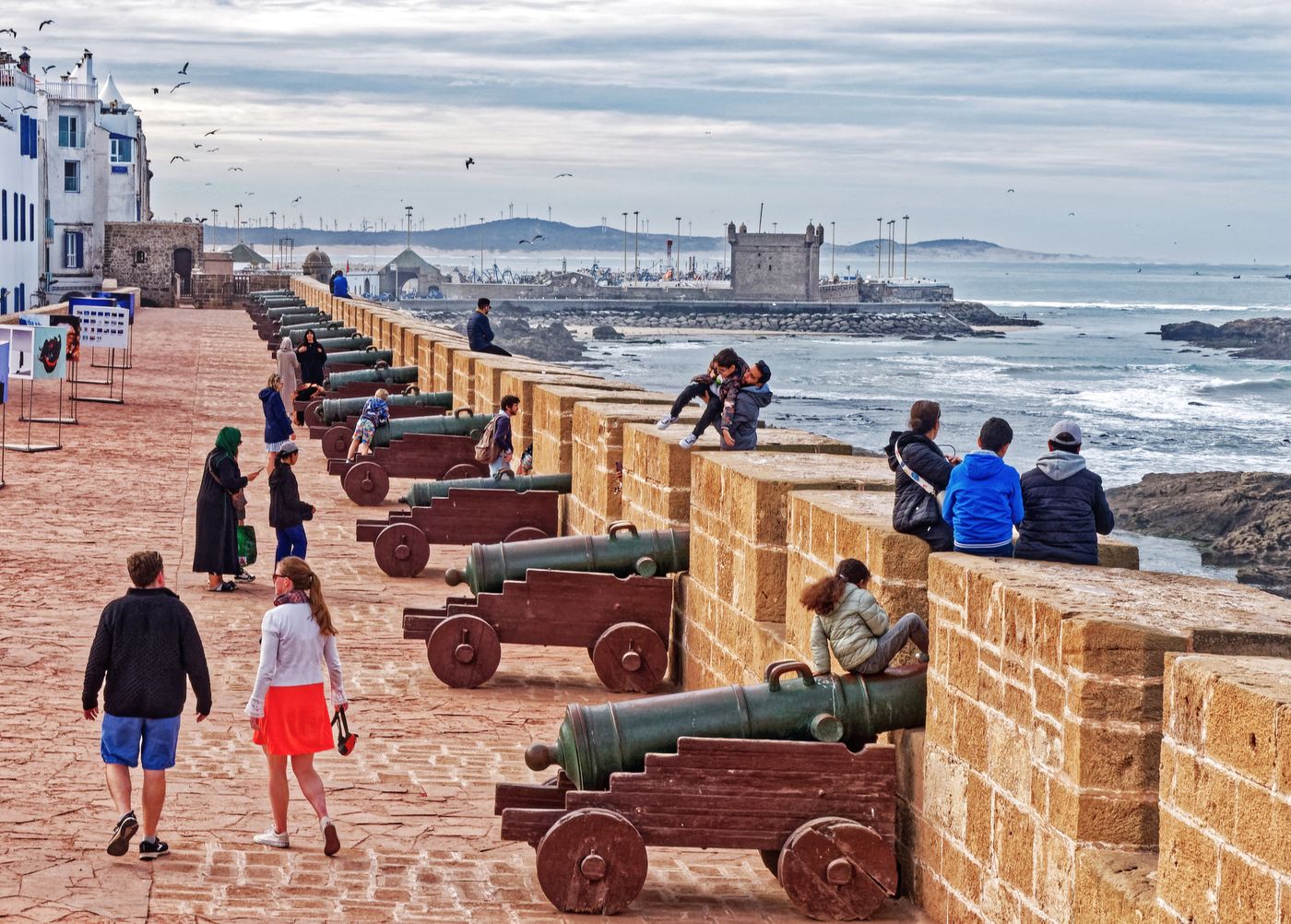
Essaouira
A walled Atlantic port with blue fishing boats, fresh grilled sardines, and wind strong enough to have its own reputation.
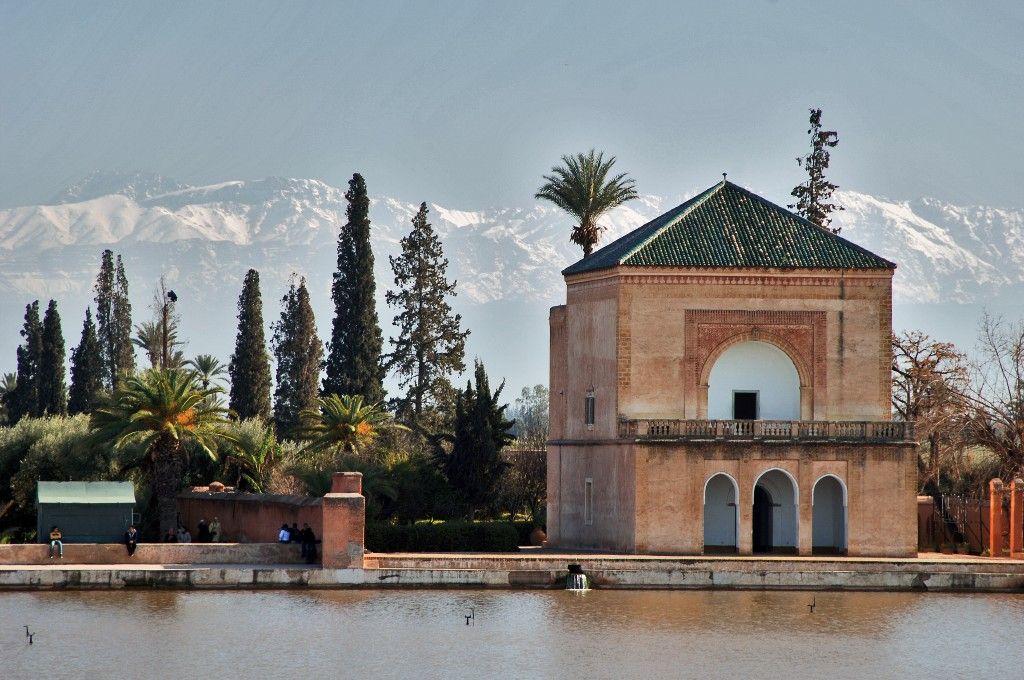
Marrakech
Rooftops, dyers' courtyards and a medina that is quiet if you let it be.
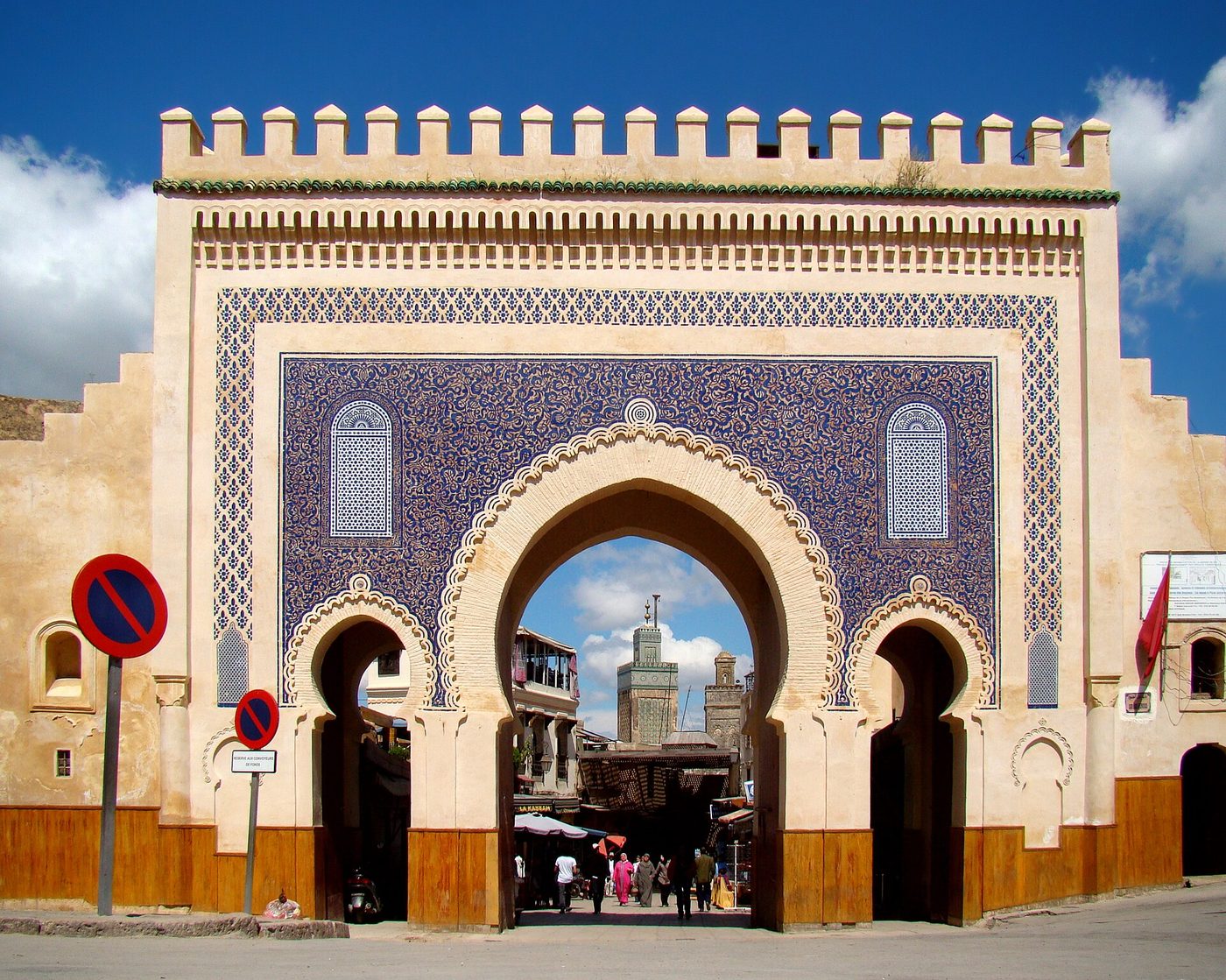
Fes
The oldest of the imperial cities, and the medina where a GPS pin still won't get you there.
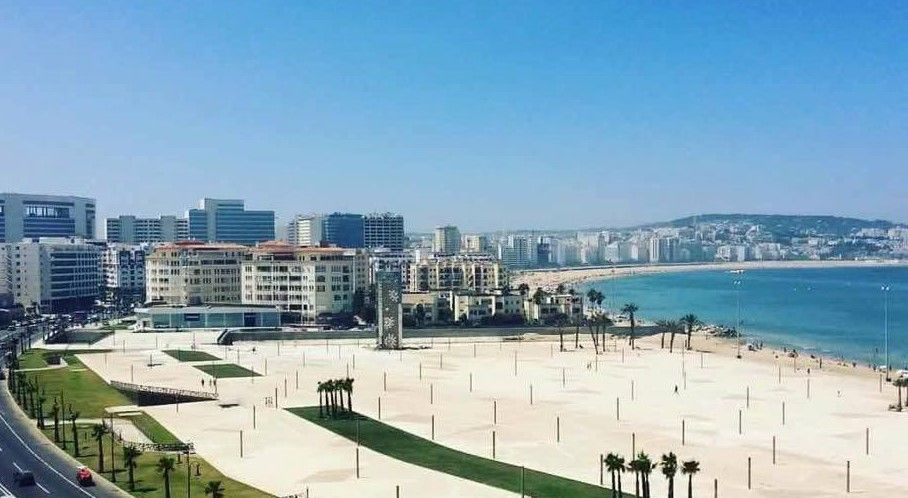
Tangier
The strait-side city that drew spies and writers for decades, now a ferry ride from Spain and shaking off its old reputation.
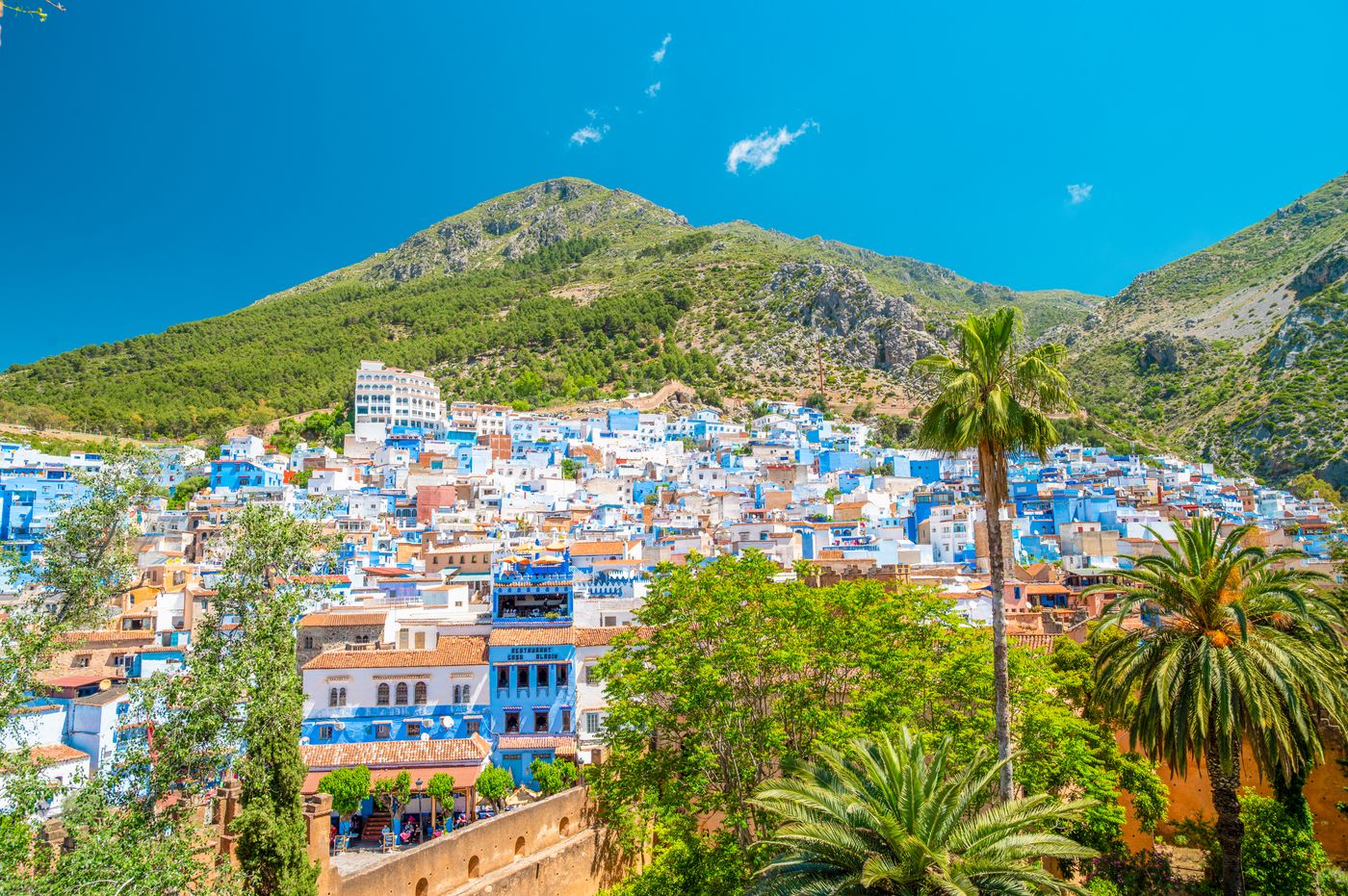
Chefchaouen
A mountain town painted blue from the ground up, best seen early before the day-trip buses from Fes and Tangier arrive.
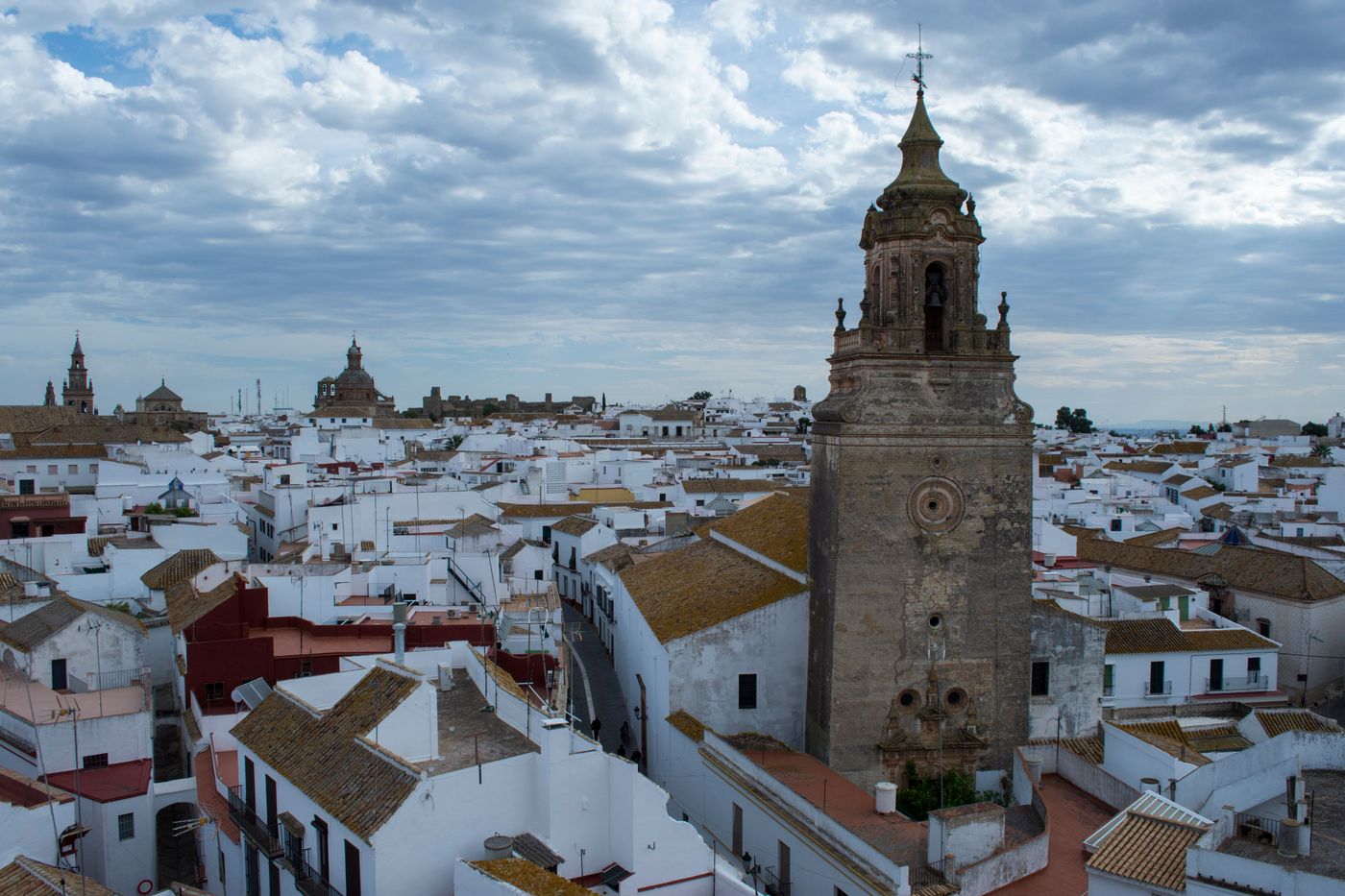
Carmona
A walled Andalusian hill town twenty minutes from Seville, quiet enough that most visitors still skip it.
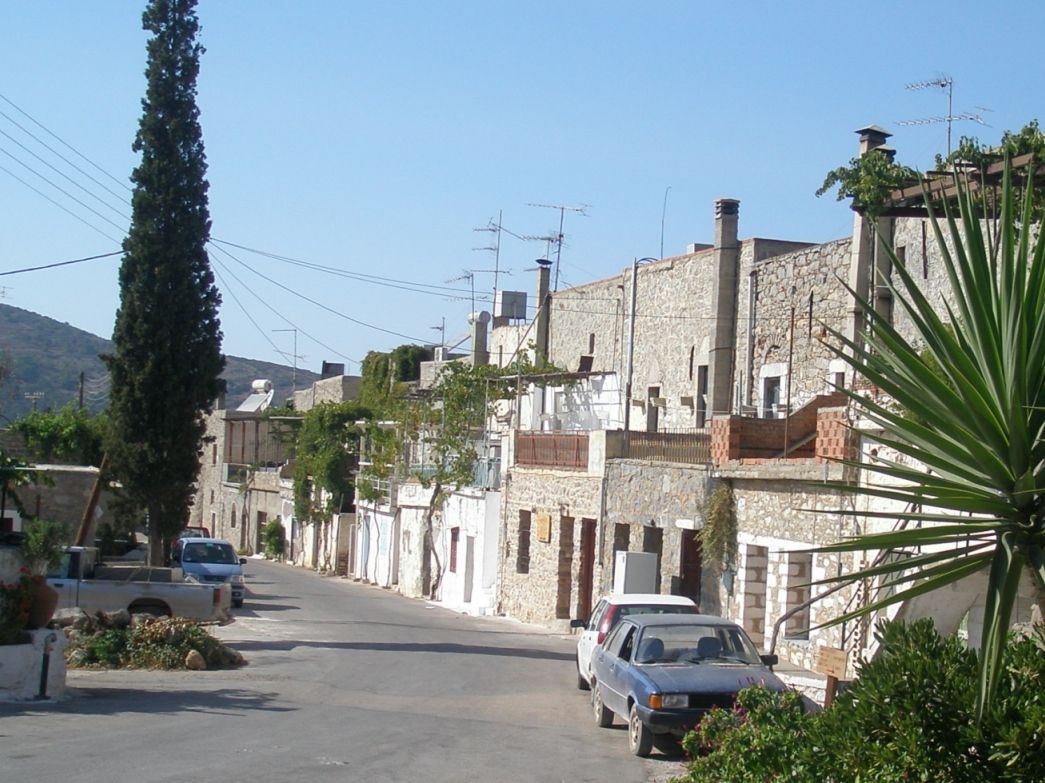
Mesta
A fortified medieval village of grey stone, inland and inward-facing, built to be hard to find from the sea.
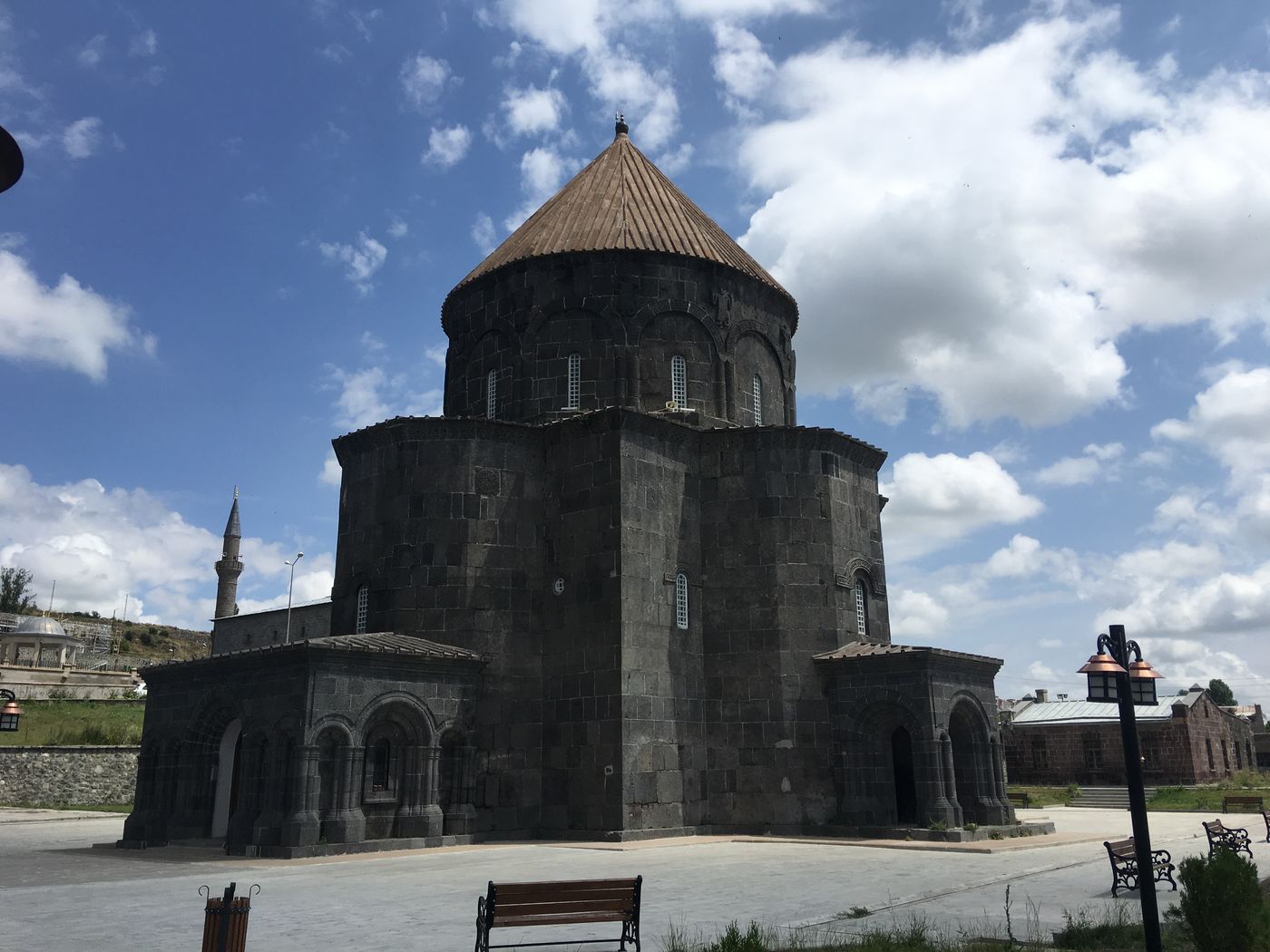
Kars
A high, cold plateau city in Turkey's far northeast, still built in the Russian Empire's stone and street grid from its 40 years under the Tsar.
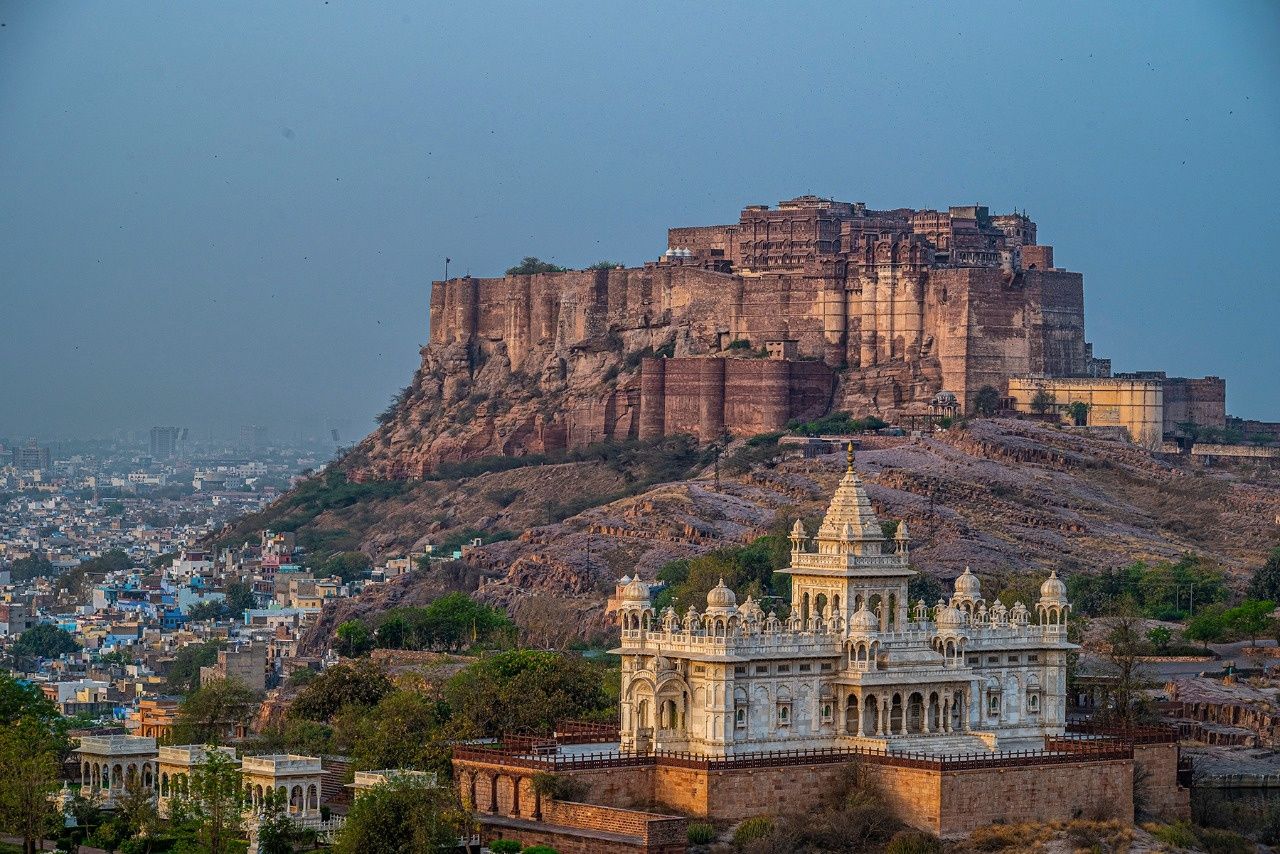
Jodhpur
The Blue City, stacked beneath Mehrangarh Fort on its sandstone ridge, with the desert starting where the old walls end.